Acacia Wood Spoon Rest for Stovetop: Honest Review

The Patelai Acacia Wood Spoon Rest sat on my stove for three months before I realized I’d stopped thinking about it, which is exactly the kind of compliment a kitchen tool deserves.
There is a particular kind of chaos that happens on a Tuesday night when you’re halfway through a tomato braise, the lid needs to come off, the pasta water is threatening to boil over, and your wooden spoon is dripping red sauce across every surface within a two-foot radius. I used to solve this problem with a folded paper towel, a small plate, or, on my least organized evenings, the edge of a pot lid balanced at a precarious angle. Then I put the Patelai Acacia Wood Spoon Rest on my stovetop, and that particular variety of kitchen chaos quietly disappeared. It sounds like a small thing. Most of the best kitchen solutions are.
The First Time I Used It
The box arrived on a Friday and I set it on the counter without ceremony, still skeptical that a spoon rest merited any real attention. My first test was a Saturday-morning shakshuka, which is as messy a stovetop dish as I regularly make. Tomatoes spatter. Spices bloom in oil and leave orange rings. The wooden spoon goes in and out of the pan constantly, and somewhere between the paprika and the egg-cracking, it always ends up somewhere it shouldn’t be.
I put the acacia rest next to the burner and just used it. By the end of breakfast, it had caught probably a tablespoon of tomato-spiced oil and my countertop was clean. That was it. That was the whole revelation.
How It Actually Performs
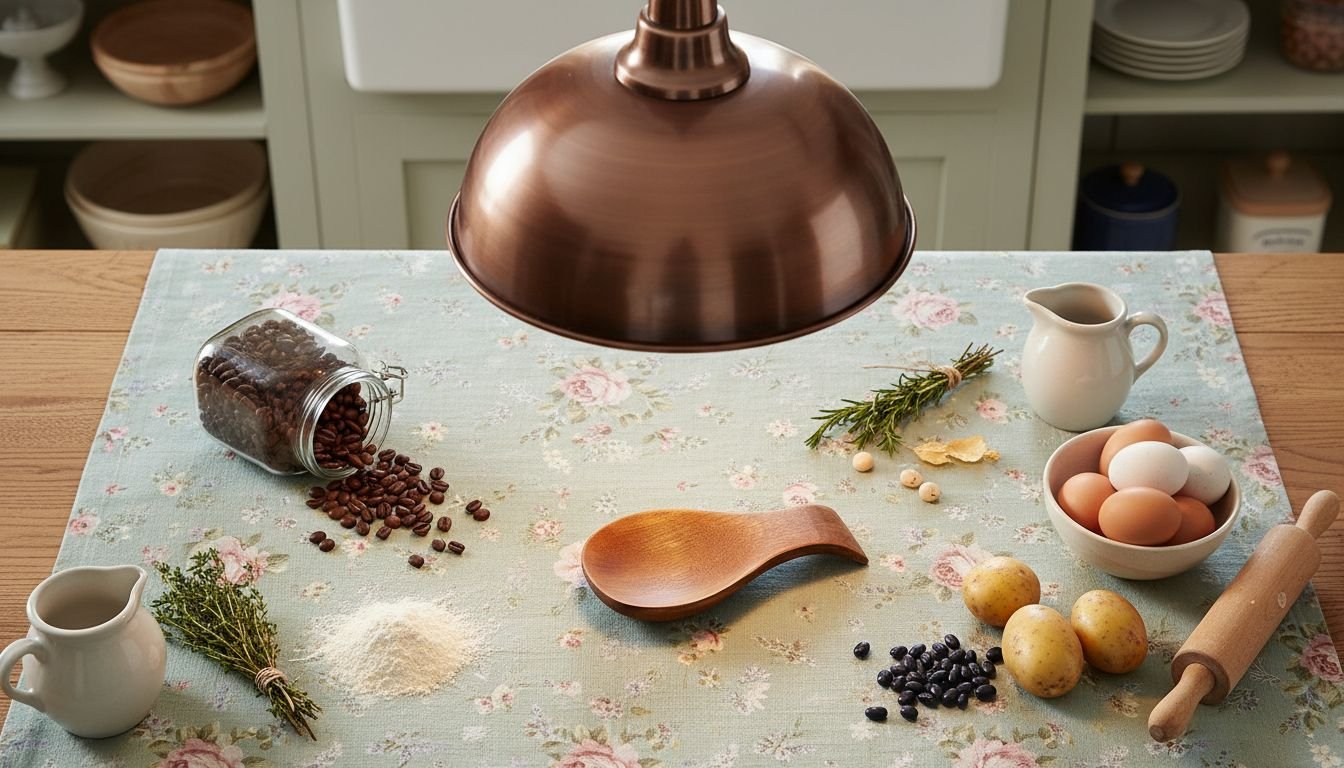
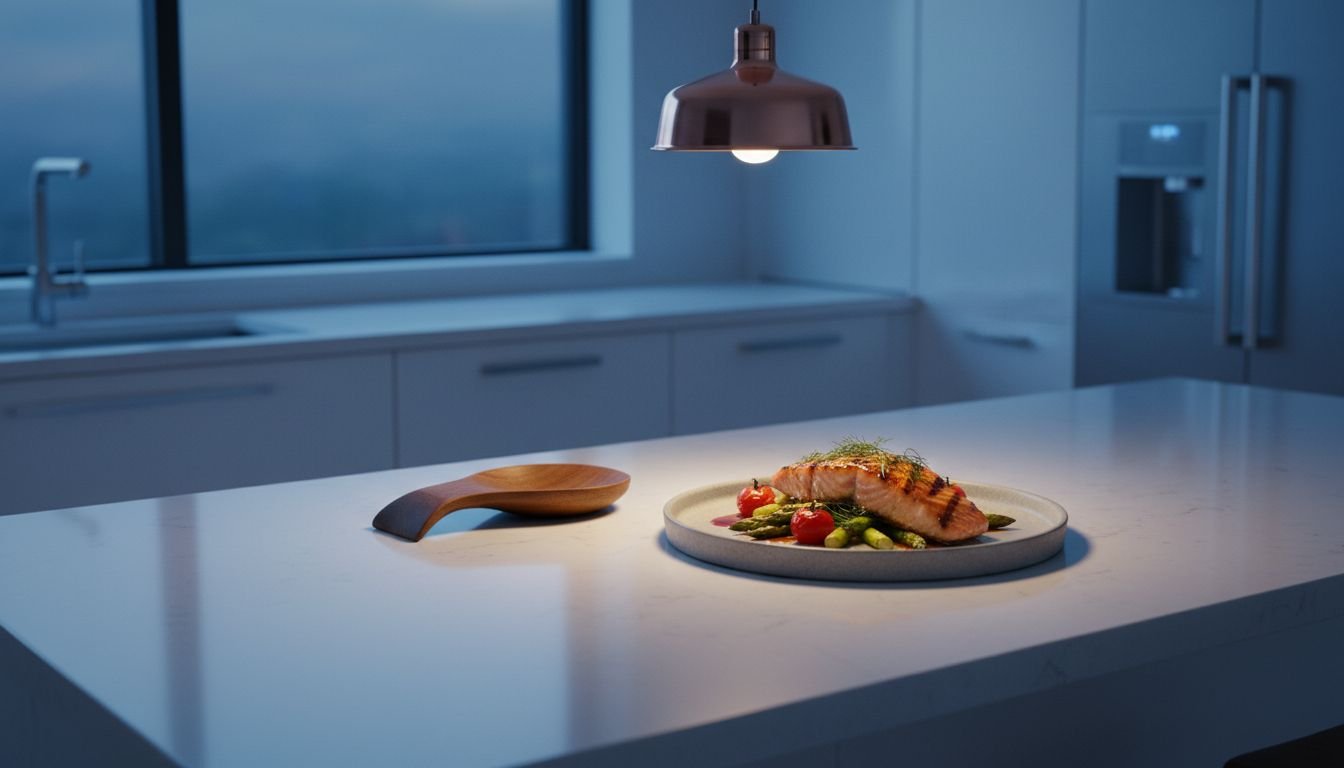
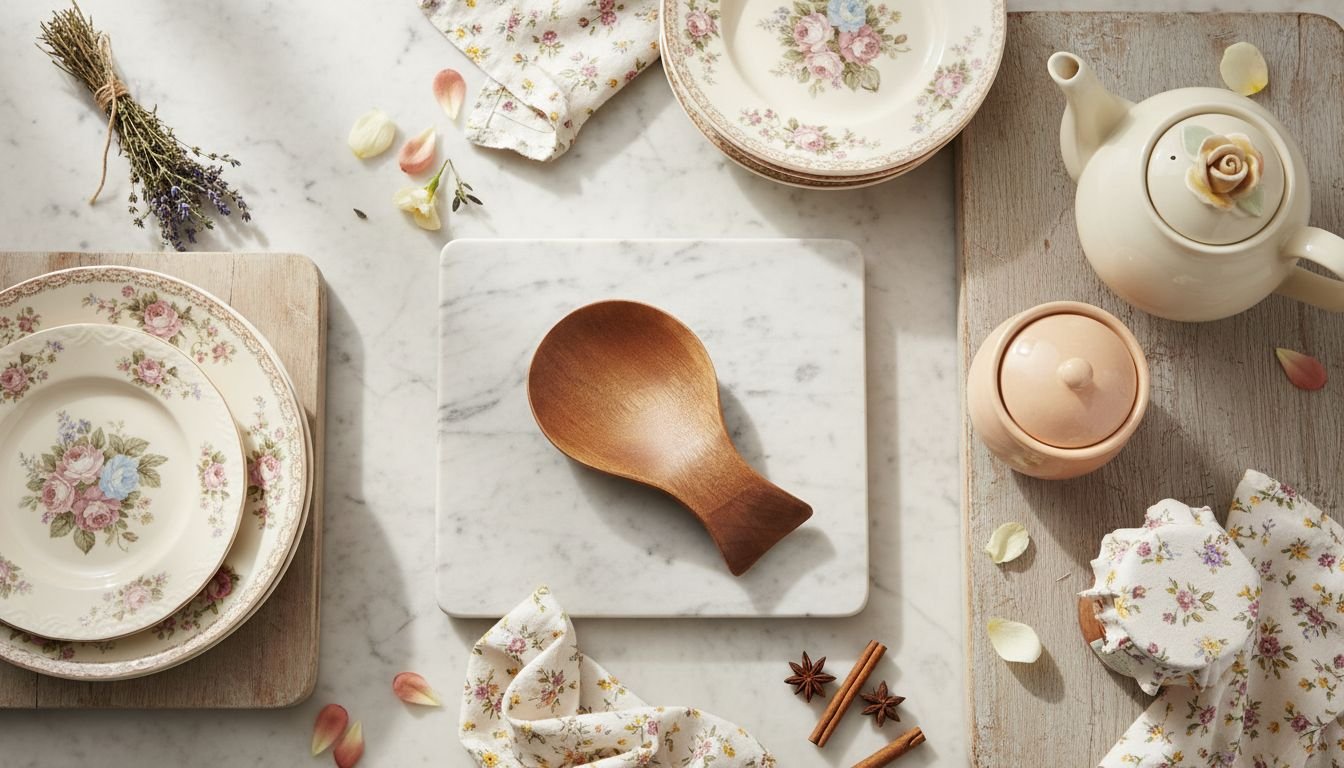
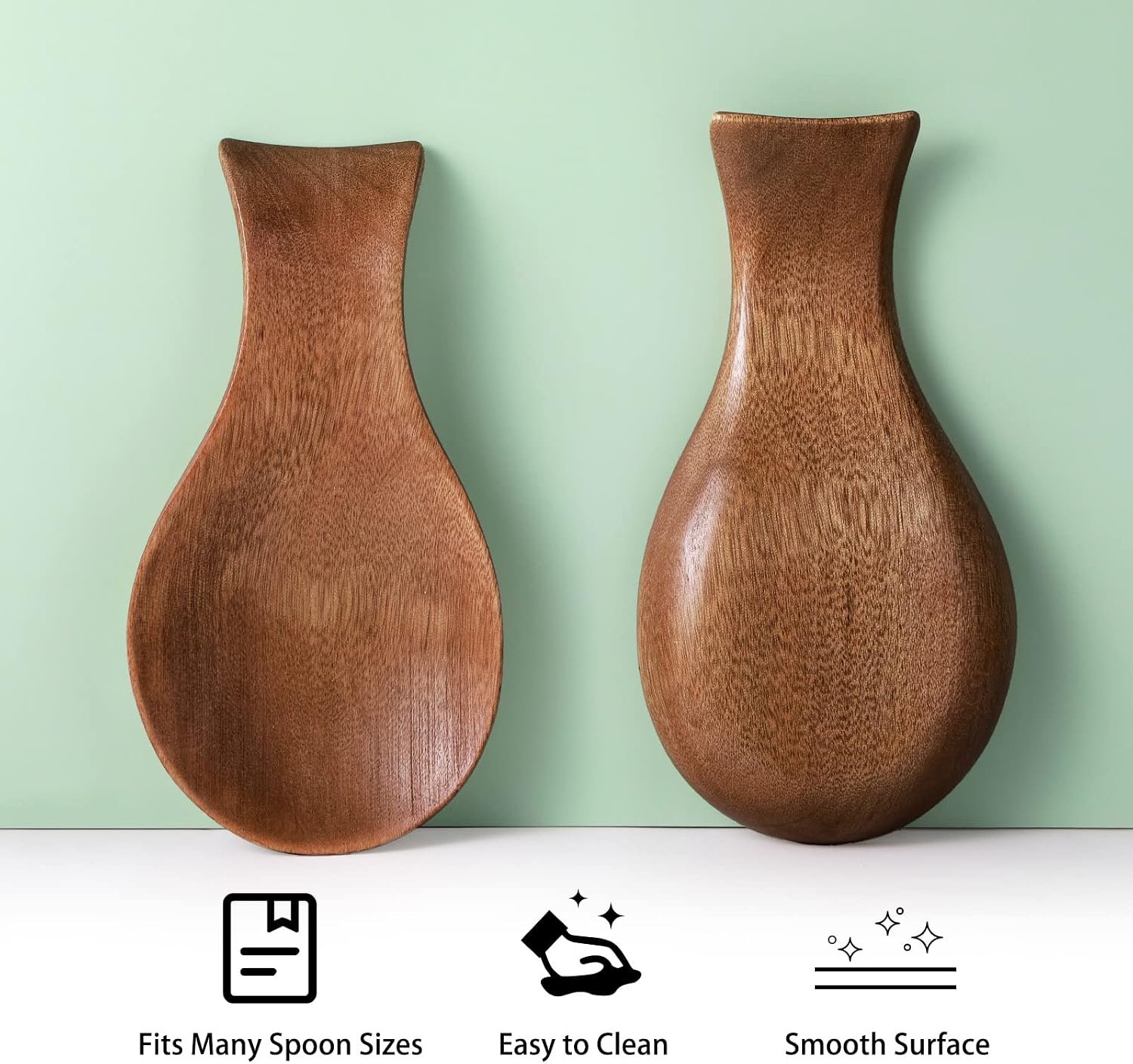
The acacia wood is noticeably dense and smooth, with a matte finish that feels more considered than most utensil accessories at this tier. The rest sits flat without wobbling, which matters more than you’d think because a wobbly spoon rest is almost worse than no spoon rest at all. The groove cut into the top is wide enough to hold a standard wooden spoon, a silicone spatula, or a ladle handle without anything tipping sideways. It is compact without feeling flimsy, and the natural grain of the wood gives it a visual warmth that a ceramic or plastic version simply doesn’t have.
“A spoon rest earns its place the same way a good cutting board does, by disappearing into the workflow and just working.”
One honest caveat: acacia is a porous wood, and like any natural wood kitchen tool, it will absorb oils and pigments over time. After three months, mine shows faint golden-orange staining from curry nights and a few tomato-heavy weeks. It doesn’t affect function at all, but if you’re the kind of cook who wants everything to look pristine on your stovetop, you’ll want to go in knowing the patina builds. For a deeper look at how wood behaves around heat and fat, the Serious Eats equipment deep dives offer useful context on why material choice matters even for passive tools.

What I Actually Cooked With It
Use 1: Weeknight Red Sauce
My standard weeknight tomato sauce spends about forty-five minutes on the stove and requires near-constant stirring. I used to rest my spoon on the pot’s edge, which scratched the enamel on my Dutch oven and never felt stable. With the Patelai rest sitting to the left of the burner, I developed a new rhythm. Stir, rest, taste, adjust. The spoon went back to the same spot every time. By the time I was plating, I hadn’t thought once about where to put the spoon, which meant I’d spent more mental energy on actually seasoning the sauce correctly. Small improvements in kitchen flow compound quickly.
Use 2: Butter-Basted Steak
Basting a steak with brown butter is one of those techniques where your hands are always doing three things at once, tilting the pan, spooning hot fat, watching the color of the foam. The spoon or basting brush is constantly moving, constantly dripping, and there’s never a good place to set it between passes. The acacia rest handled the hot, butter-soaked basting brush without any drama. The wood didn’t scorch, it didn’t warp, and the fat wiped off cleanly afterward with a damp cloth. I was genuinely surprised by how well it held up to that particular kind of stovetop heat.

Use 3: Sunday Soup and Meal Prep
On long cooking days, when I have multiple pots going, the spoon rest earns even more of its place. I was running a chicken stock and a pot of lentils at the same time, alternating between two long spoons, and the rest accommodated both handles leaned against each other without everything falling sideways. It’s a simple thing, but having one consistent landing spot for utensils across a three-hour cooking session is the kind of small mercy that keeps the kitchen from feeling overwhelming. I finished that Sunday with a clean stovetop and a genuine sense of satisfaction.
What Other People Are Saying
This section is intentionally left open for aggregated review updates as they become available from verified purchasers.
That said, with a rating sitting well above four stars across a substantial number of reviews, the pattern is clear enough: most people who buy this acacia wood spoon rest keep it. That kind of retention rate for a kitchen accessory this unglamorous says something real about daily usefulness. If you’re cross-shopping in this category, America’s Test Kitchen’s equipment reviews and Wirecutter’s kitchen picks both offer useful frameworks for how to evaluate everyday utensil accessories beyond first impressions.
Who Should Skip It
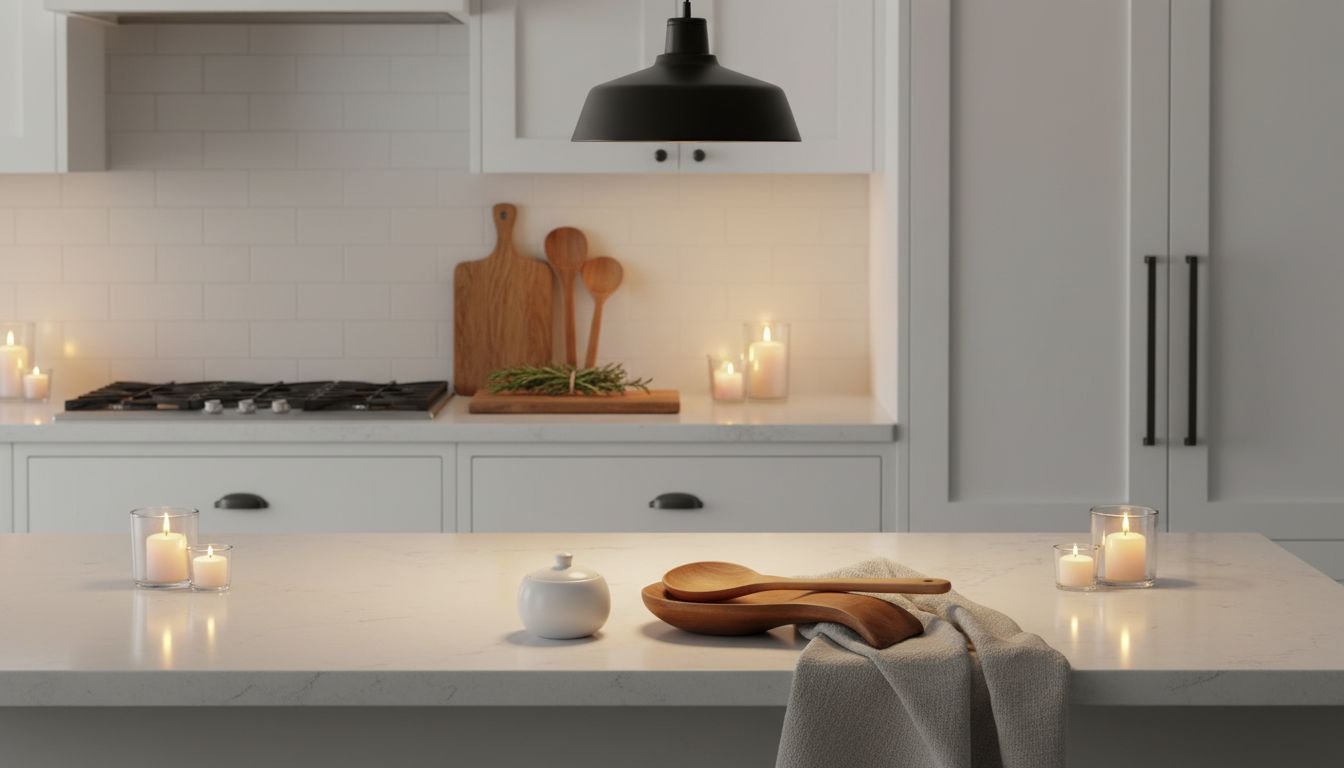
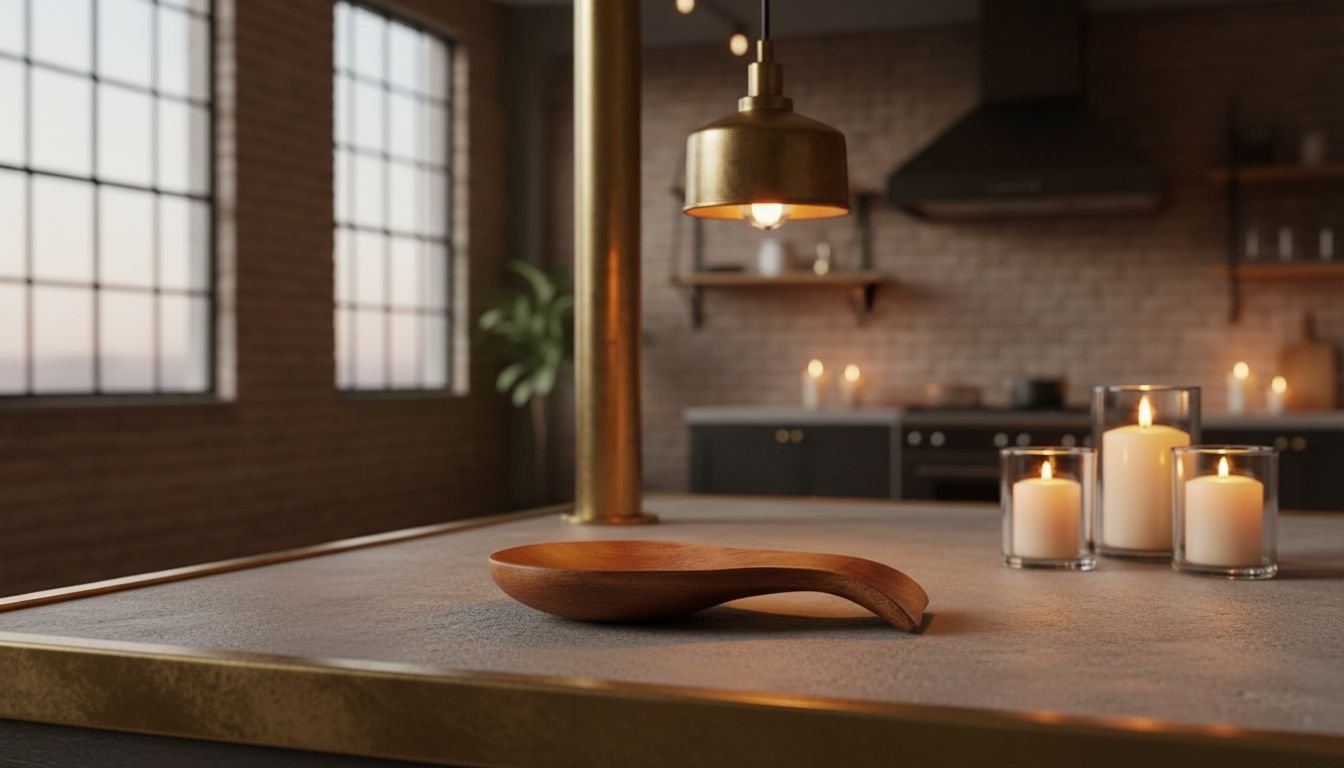
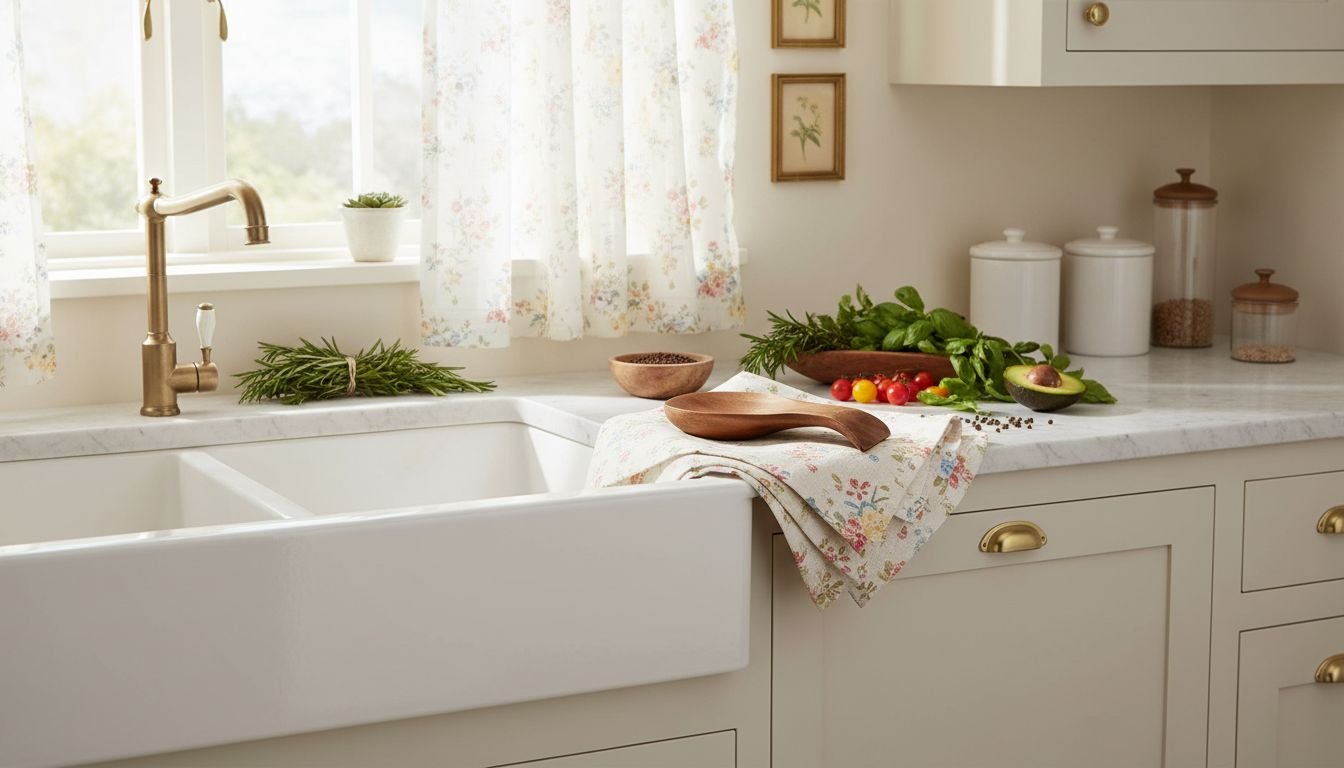
If your kitchen runs entirely modern and minimalist, the warm honey-brown tone and farmhouse aesthetic of the Patelai rest might read as slightly out of place. It’s a tool with a visual personality, and that personality is rural, organic, tactile. It won’t look wrong in most kitchens, but it will look specific in some. You should also skip it if you are deeply committed to dishwasher-only cleanup. Hand-washing a spoon rest takes ten seconds, but if that’s a dealbreaker for your routine, a glazed ceramic option would serve you better. And if your stovetop surface is already highly congested with an espresso machine, a knife block, and an herb garden, the counter footprint, though small, is still a footprint worth measuring first.
What It Replaces in My Kitchen
For the better part of two years, my “spoon rest” was a small white ceramic ramekin I’d repurposed from a crème brûlée set. It worked, technically, but the rounded bottom made it wobble when I set a wet spoon down at any kind of angle, and it was too small for anything larger than a teaspoon. Before that, I used a folded cloth that spent most of its time damp and questionably clean. The Patelai rest replaced both of those improvised solutions with something that was actually designed for the job. It sounds obvious in retrospect. It usually does. If you’re still improvising in this particular corner of your kitchen, you’ll find it worth browsing our everyday utensils category to see what other low-drama upgrades might be hiding in plain sight. We also keep a running list in our editor’s kitchen tool recommendations for exactly these kinds of everyday finds.

FAQ
Will this spoon rest hold up next to a high-heat burner?
The acacia wood handles stovetop proximity well in normal use. It is not meant to be placed on a lit burner or directly over a flame, but sitting beside one, as a resting surface, it performs without warping or scorching in my experience.
How do I clean it?
A quick wipe with a damp cloth after each use is all it needs for regular maintenance. For heavier buildup, a mild dish soap scrub followed by thorough drying works well. Let it air dry completely before storing or returning it to the stovetop.
Is this spoon rest dishwasher-safe?
No. Like all natural wood kitchen items, it should be hand-washed only. Dishwasher cycles will dry out and crack the wood over time, which shortens the life of the piece considerably.
Does the build quality match the Patelai brand’s reputation?
For what you’re paying in this tier, the construction feels genuinely solid. The wood is smooth without sharp edges, the finish is even, and after months of daily use mine shows no signs of splitting or delamination. The value reads above what you’d expect from an entry-level kitchen accessory.
Is there a warranty or replacement option if it cracks?
Patelai does not prominently advertise a specific warranty for this item, so treat it as a consumable that will eventually need replacement after years of use. Proper care, including occasional mineral oil conditioning, will extend its life significantly.
The Verdict
Three months from now, I know exactly where I’ll reach when I pull a hot spoon out of a simmering pot. The Patelai Acacia Wood Spoon Rest will be to the left of the front burner, the same spot it’s occupied since January, doing its quiet job without requiring any thought from me. That’s the highest compliment I can give a passive kitchen tool. It earns its counter real estate not through spectacle but through consistency. For anyone who cooks regularly and has been improvising their utensil-rest situation, this is the kind of small, well-designed everyday kitchen tool that you’ll wonder how you tolerated the alternative for so long. It fits naturally into a farmhouse kitchen aesthetic but works in any kitchen where cooking actually happens. Our full guide to everyday cooking tools and accessories covers more options in this space, and if you’re shopping for someone else, it’s worth a look at our kitchen gift ideas section too. If you want to see how it sits alongside similar picks, our everyday cookware sets and nonstick pan recommendations round out the stovetop picture nicely. For a broader view of what equipment reviewers across the industry are currently prioritizing, Bon Appétit’s test kitchen favorites and Food and Wine’s technique-focused guides are reliable reference points. Buy the spoon rest. Stop using a ramekin.
Every Angle
The product as photographed for Amazon — front, side, back, detail.



As an Amazon Associate I earn from qualifying purchases.