Mini Dutch Oven for Sourdough: Honest Review
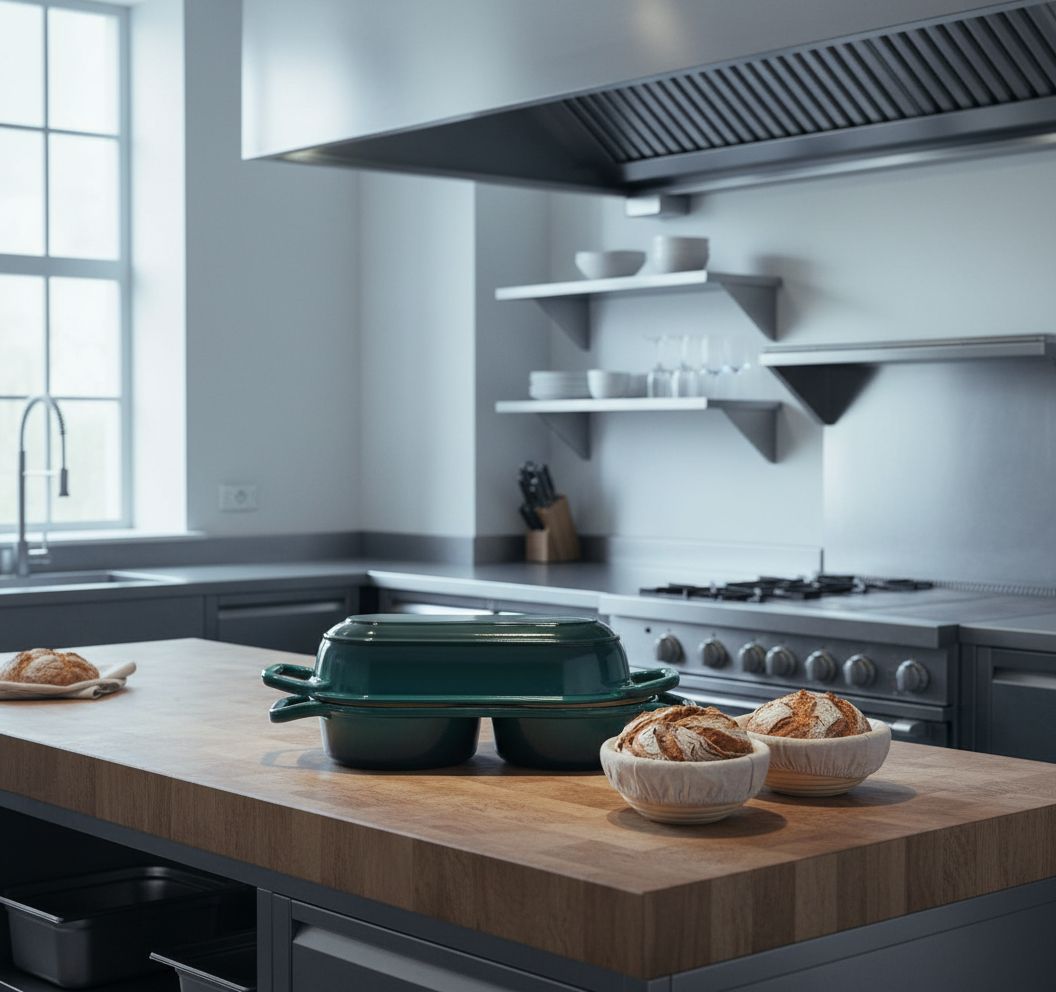
The YONILL Mini Double Dutch Oven changed how I think about weekend bread baking, letting me proof, bake, and gift two small sourdough loaves in a single Saturday morning without doubling my cleanup.
There is a particular kind of Saturday that starts before anyone else wakes up. The kitchen is cold, the starter is bubbling quietly on the counter, and the whole house smells faintly of something fermented and alive. I have baked sourdough through most of my adult life, in borrowed pans, in borrowed apartments, with a single battered 5-quart Dutch oven I inherited from a roommate who moved across the country. It worked. But it meant one loaf at a time, one long wait, and a lingering sense that I was always behind. When the YONILL Mini Double Dutch Oven landed in my kitchen, I want to be honest: I expected a gimmick and found a genuinely thoughtful baking tool.
The First Time I Used It
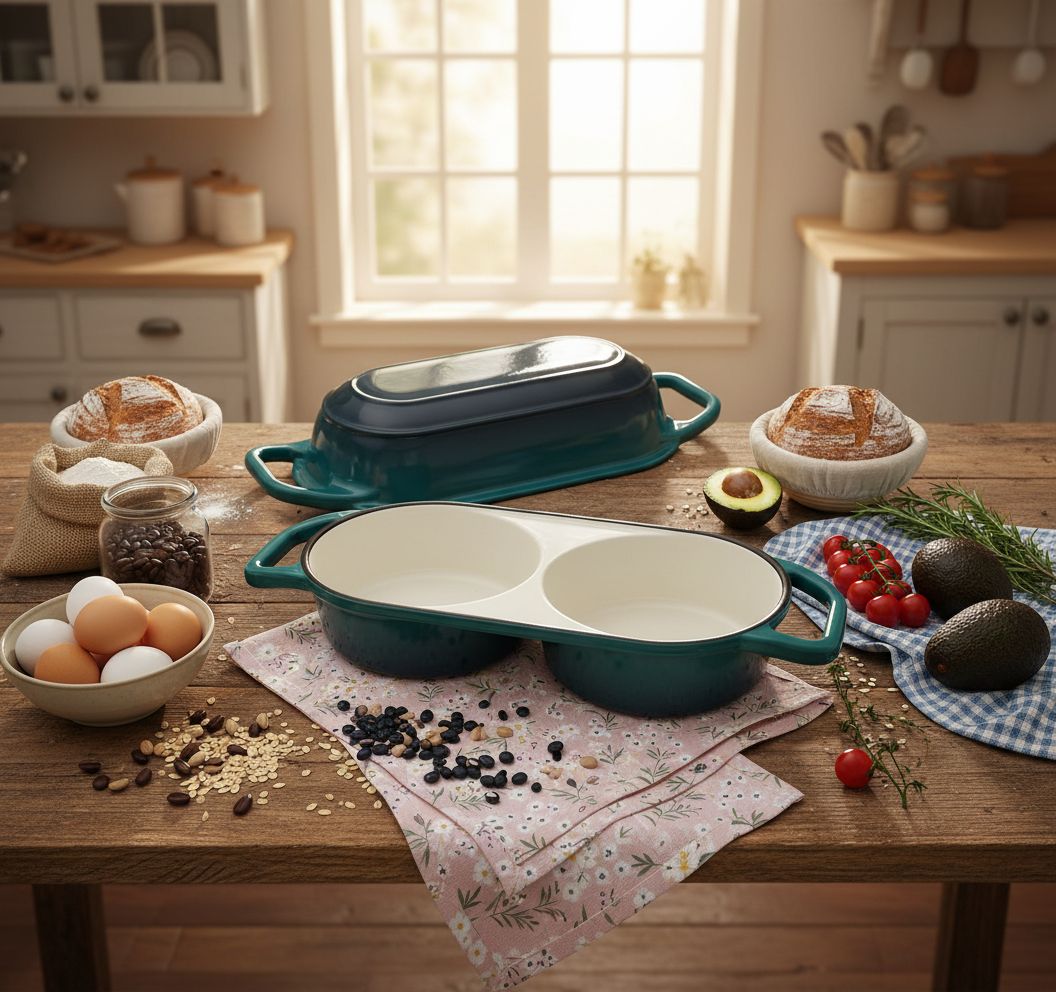
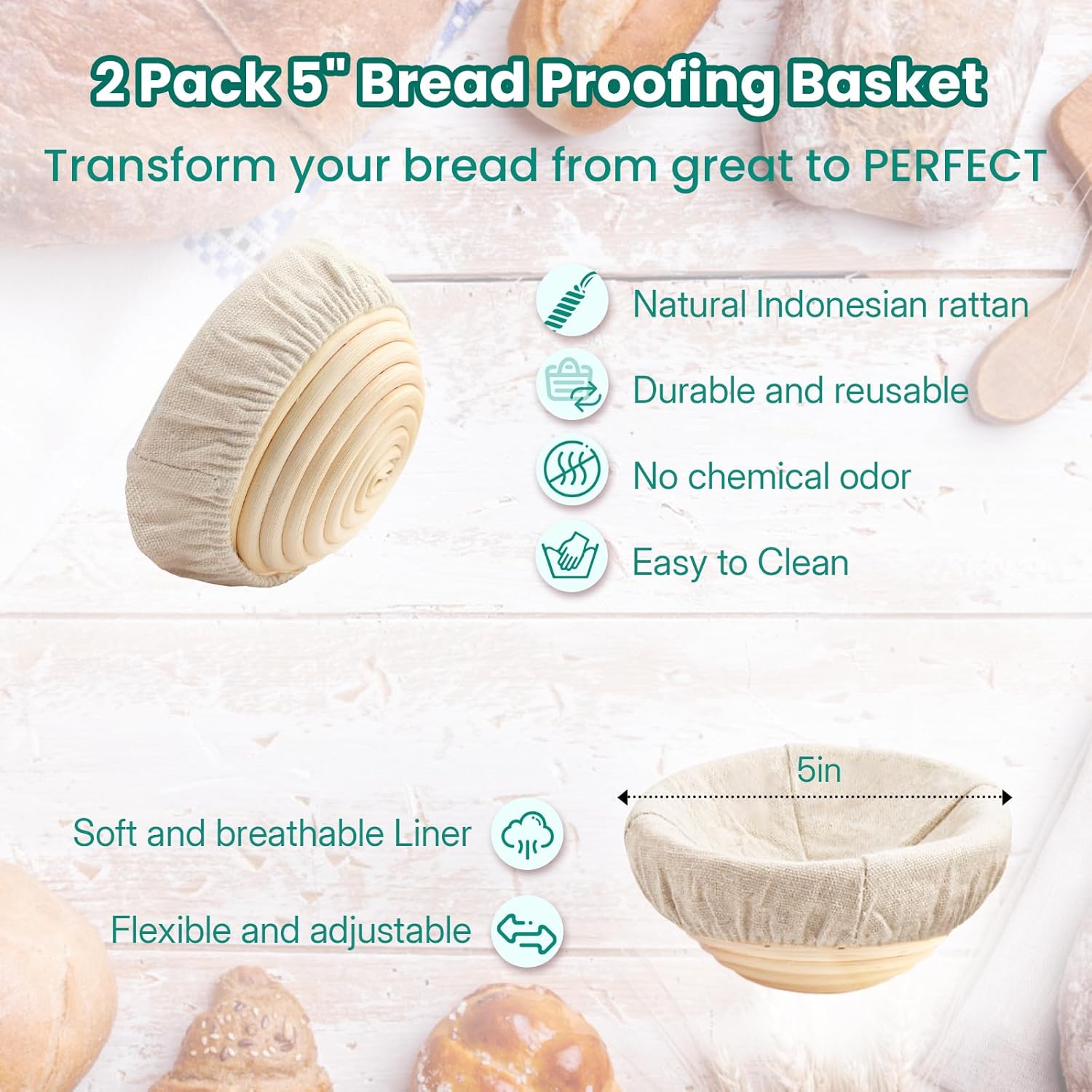
I unboxed it on a Thursday evening, which is when I typically do my first mix-in if I’m planning a weekend bake. The two small round pots sat side by side in their packaging, each paired with a woven banneton proofing basket and a linen liner. The enameled cast iron has a matte black finish that feels more serious than decorative, and the lids fit with a satisfying snug weight. I put both bannetons through a light flour dusting, shaped two small boules, and let them cold-proof overnight.
Friday morning I pulled them out of the fridge and thought: this is either going to work beautifully, or I’m going to have two small disasters at once.
How It Actually Performs
The YONILL double Dutch oven design is simple, but the execution matters in cast iron baking more than almost any other category. Both pots preheat evenly in about 45 minutes at 500°F, which is exactly where you want them before a cold dough drop. The walls are thick enough to trap steam during the critical first 20 minutes of baking, the phase where your loaf either springs open with a dramatic ear or dies in a flat, dense disappointment. These loaves sprung. The score I’d made with my lame opened up with a crack I could hear from across the kitchen.
“Two loaves, one oven session, zero compromise on crust, crumb, or the particular quiet satisfaction of a good bake.”
That said, the individual capacity per pot is smaller than a standard 5-quart round Dutch oven. Each cavity bakes a loaf using roughly 350 to 400 grams of flour, which yields a compact, fist-sized boule rather than a table-centerpiece showstopper. For bakers accustomed to large, dramatic loaves, this takes a mental adjustment. If you want a deep dive into the science behind why steam and heat retention define sourdough crust development, the Serious Eats equipment deep dives are worth your time before you make any Dutch oven decision.
What I Actually Cooked With It
Use 1: Classic Sourdough Boules
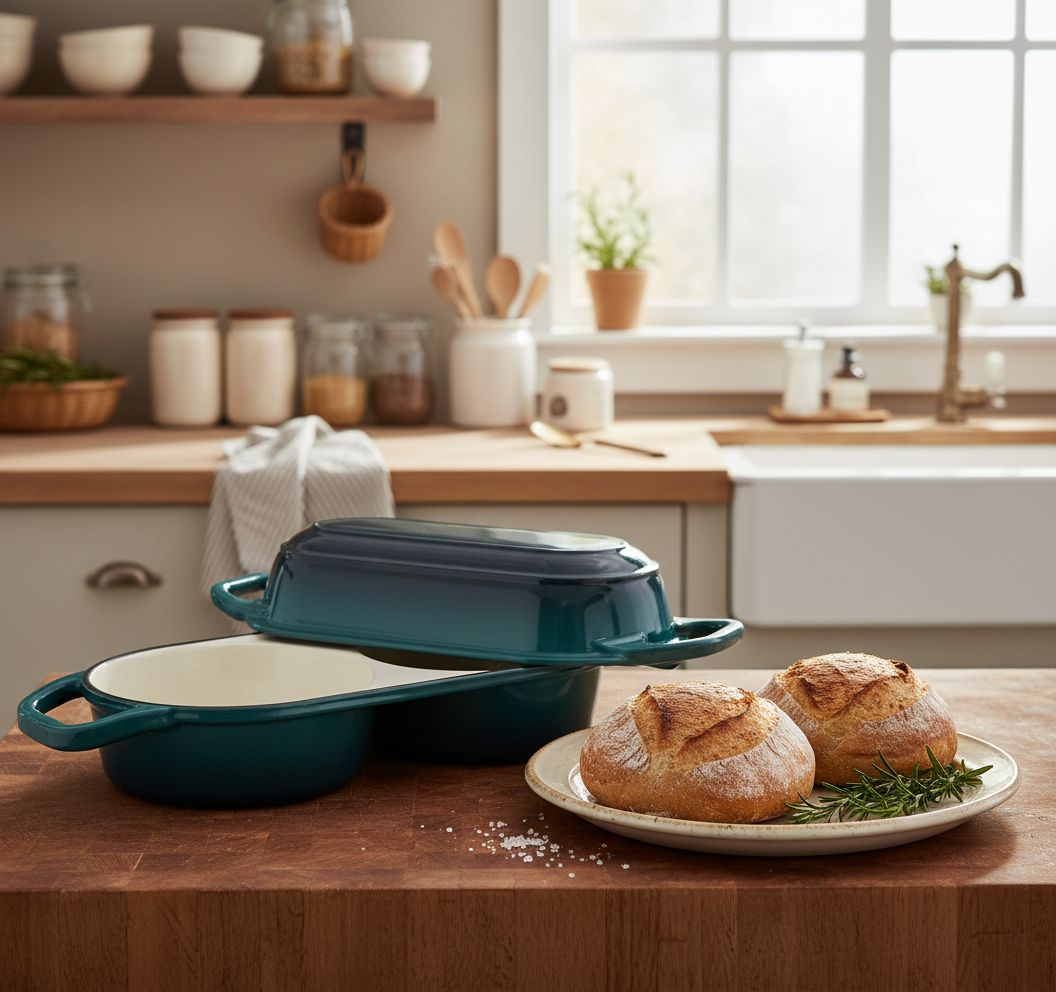
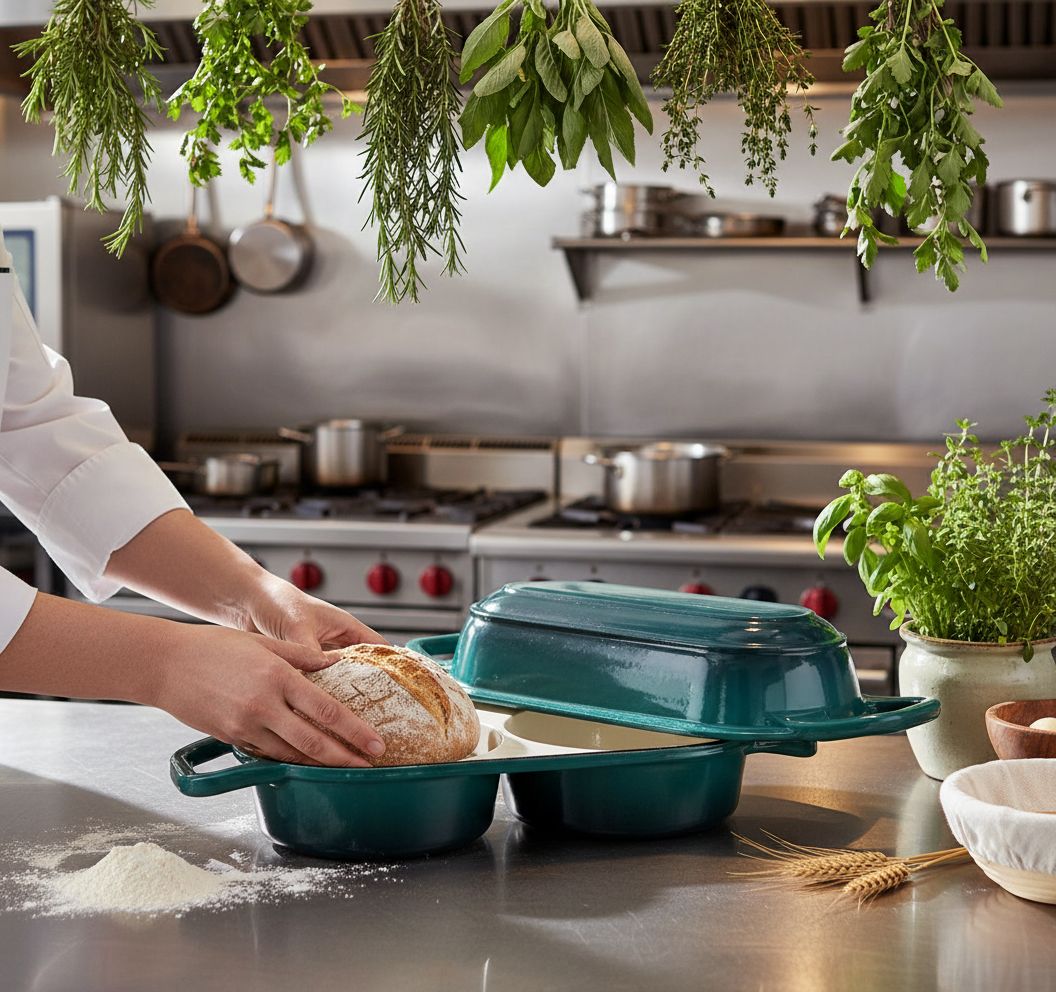
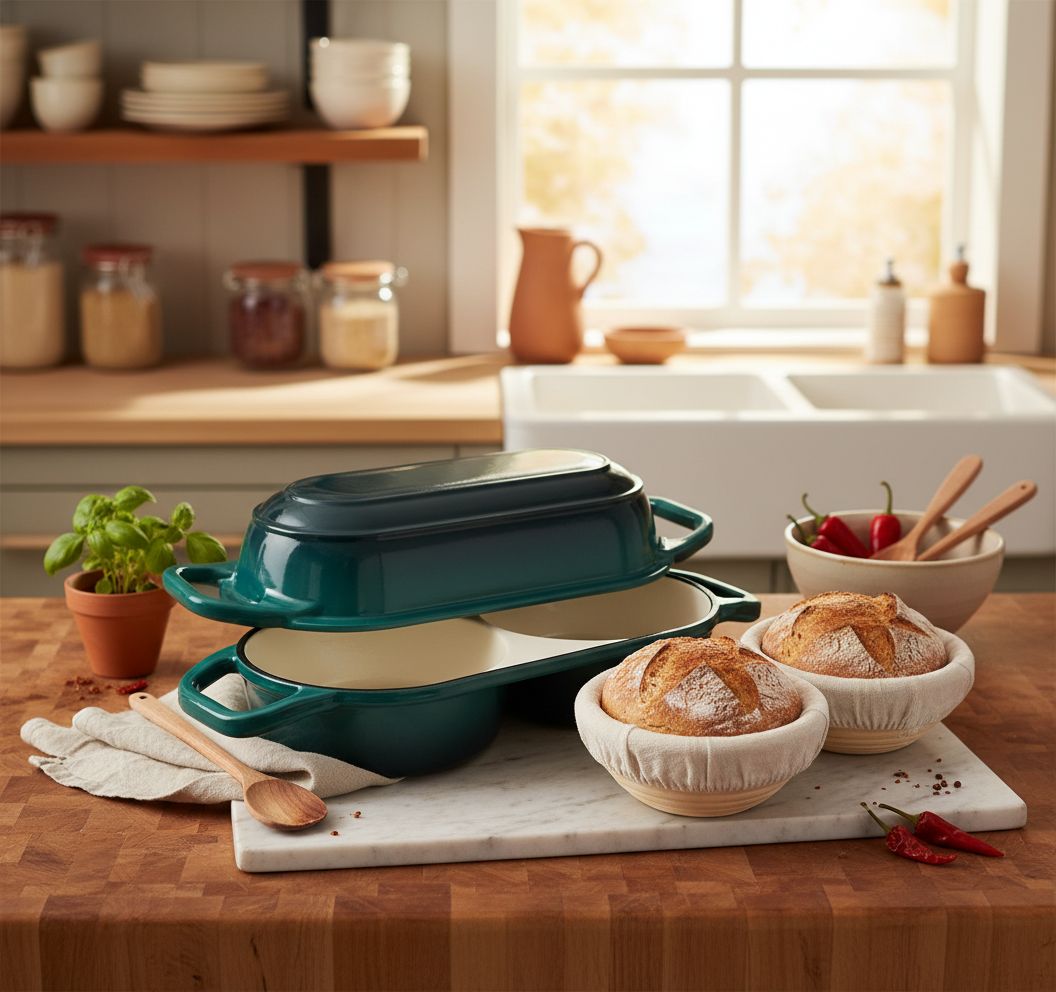
This is what the pan was built for, and it delivers. I used a 75% hydration dough, split into two equal portions after bulk fermentation, shaped them tight, and dropped each one into its preheated pot. The oven spring was the best I’ve seen from a mini-format pan. After 20 minutes covered and 15 uncovered, both loaves came out with deep mahogany crusts and an open crumb that I would not have been embarrassed to serve at a dinner party. The linen-lined bannetons left the classic spiral pattern on the surface, which felt like a small gift I hadn’t earned. I gave one loaf away that afternoon, still warm, and that is genuinely the whole point of baking two at once.
Use 2: Inclusion Loaves for Testing New Flavors
One thing I started doing about six weeks in was using the dual-pan setup as a flavor laboratory. I’d make one neutral sourdough and one with inclusions: toasted walnuts and dried cherries one weekend, roasted garlic and rosemary the next. Baking both simultaneously meant I could taste them side by side, which taught me more about how additions affect crumb texture and crust color than a year of reading about it had. The enameled cast iron Dutch oven handled the stickier inclusion doughs without any trouble, and cleanup was far easier than the bare cast iron I’d used before. For anyone exploring specialty baking pans for artisan bread, this dual format makes experimentation feel low-stakes.
Use 3: Bread Bowls for a Weeknight Soup
I will admit this use came from a reviewer’s note I read after I’d already owned the pan for a month, and I feel slightly embarrassed it hadn’t occurred to me. The individual loaf size is almost perfectly calibrated for a bread bowl. I baked two tight, slightly denser boules, let them cool completely, hollowed them out with a serrated knife, and ladled a thick roasted tomato soup inside. The crust held for the duration of a full dinner without going soggy, which is the real technical challenge of a bread bowl. My partner ate hers down to the last piece of crust. That’s the kind of result that makes a specific-use pan feel worth the counter space it takes up.
What Other People Are Saying
One buyer described using the pan to “test drive new flavors” by splitting a standard recipe into two different inclusion variations per bake, which is almost exactly what I found myself doing by week four. A 4-star reviewer offered an honest caveat: the enamel chipped after an accidental knock against a sink, noting it didn’t affect performance but left them disappointed at the fragility. At a 4.6-star average across 72 reviews, the rating trend is clear. Most bakers love what it produces. A small number found the enamel less forgiving than expected under rough handling.
The honest read is this: the pan rewards careful use and punishes carelessness, which is true of most quality enameled cast iron. Treat it like equipment worth respecting and it will return the favor. You can also explore America’s Test Kitchen’s equipment reviews for how they test Dutch oven durability across brands if you want comparative context.

Who Should Skip It
If you bake large, dramatic loaves, the kind that anchor a dinner table and get photographed before they’re cut, this is not your pan. The individual loaf size is compact by design, and no amount of recipe adjustment will make it produce a bakery-scale boule. If your kitchen runs only on induction and you haven’t confirmed the base is induction-compatible, pause before purchasing. The enameled finish also means this is not a dishwasher pan, full stop. Hot water and a soft sponge are what it needs, and if your household runs on appliance-only cleaning, the maintenance friction will wear on you quickly. And if you’re already drowning in baking and pastry equipment and rarely bake more than once a month, the dual-pan footprint may not justify itself in your rotation.
What It Replaces in My Kitchen
For years I ran my sourdough schedule around a single large Dutch oven, which meant baking two loaves required two full oven sessions, about four hours of active management on a Saturday. I also had a half-dozen mismatched ramekins I’d been using as proofing vessels, none of them the right shape, all of them producing lopsided loaves. The YONILL kit replaced both the backup vessel situation and the second oven session in one move. The included bannetons are sized correctly for the pots, which sounds obvious but is not something every kit gets right. I donated my ramekin proofing setup without a second thought. For anyone still assembling a bread-baking kit from scratch, browsing our editor’s top kitchen tool recommendations is a reasonable place to start, or check out our curated kitchen gift ideas if you’re buying for a sourdough-obsessed friend.
FAQ
Can I use both pots side by side in a standard home oven?
Yes. The two pots fit side by side on a standard oven rack with clearance to spare, which is the whole practical premise of the design. You may need to rotate them halfway through uncovered baking if your oven has hot spots.
How do I clean the enameled cast iron after baking?
Let the pots cool completely before washing, then clean with warm water and a soft sponge or cloth. Avoid abrasive scrubbers, which can dull or scratch the enamel finish over time.
Is this Dutch oven safe for induction cooktops?
The pots are oven-safe and suitable for gas and electric stovetops, but you should verify induction compatibility before use on an induction surface, as not all enameled cast iron bases are induction-rated.
Does the build quality match the price point for long-term use?
The enameled finish and lid weight suggest a product built for regular use, not occasional baking. The primary durability concern is enamel chipping from impact, not structural failure, and careful handling mitigates most of that risk. For what you’re paying, the value reads above what you’d expect in this tier of specialty baking equipment.
Does the kit come with a warranty or replacement bannetons?
Warranty terms vary by retailer. Check with your point of purchase at the time of order. The bannetons are standard 5-inch round proofing baskets, which means replacements are widely available through baking supply retailers if the originals wear out.
The Verdict
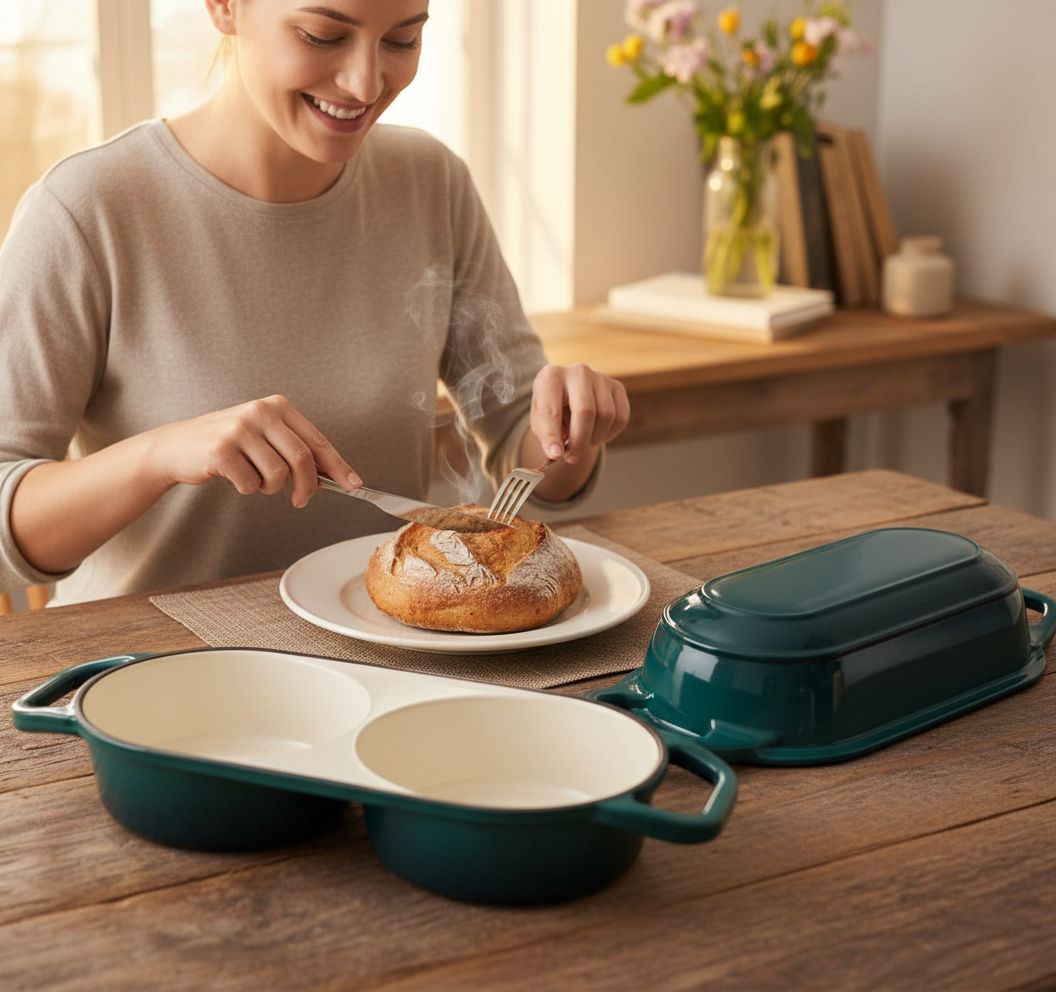
It is a Tuesday evening in November and I am already thinking about the Saturday bake. One loaf with toasted hazelnuts and a little honey in the dough. One plain, for the neighbor who asked last week if I ever had extra. The YONILL Mini Double Dutch Oven is sitting on the shelf next to my other cast iron, and I don’t think about it the way I used to think about single-use baking pans, with mild resentment for the counter space they claim. I think about it the way I think about a good bench scraper or a reliable kitchen scale: as a tool that has become load-bearing in my process. It is not a perfect pan, but the enamel chip risk is manageable and the compact loaf size is a feature once you reframe your expectations. The value reads clearly above this tier when you factor in the matching banneton kit, which alone would cost most of what the whole set runs elsewhere. If you bake sourdough more than twice a month, bake for people you want to feed, or simply want to stop running two oven sessions on a Saturday morning, this pan will do the job with no drama. Bon Appétit’s test kitchen tool roundups and our baking stand mixer picks are worth exploring if you’re building out a full bread-baking setup alongside this. The verdict: a compact, well-conceived sourdough Dutch oven that earns its shelf space by doing exactly what it promises, twice.
Every Angle
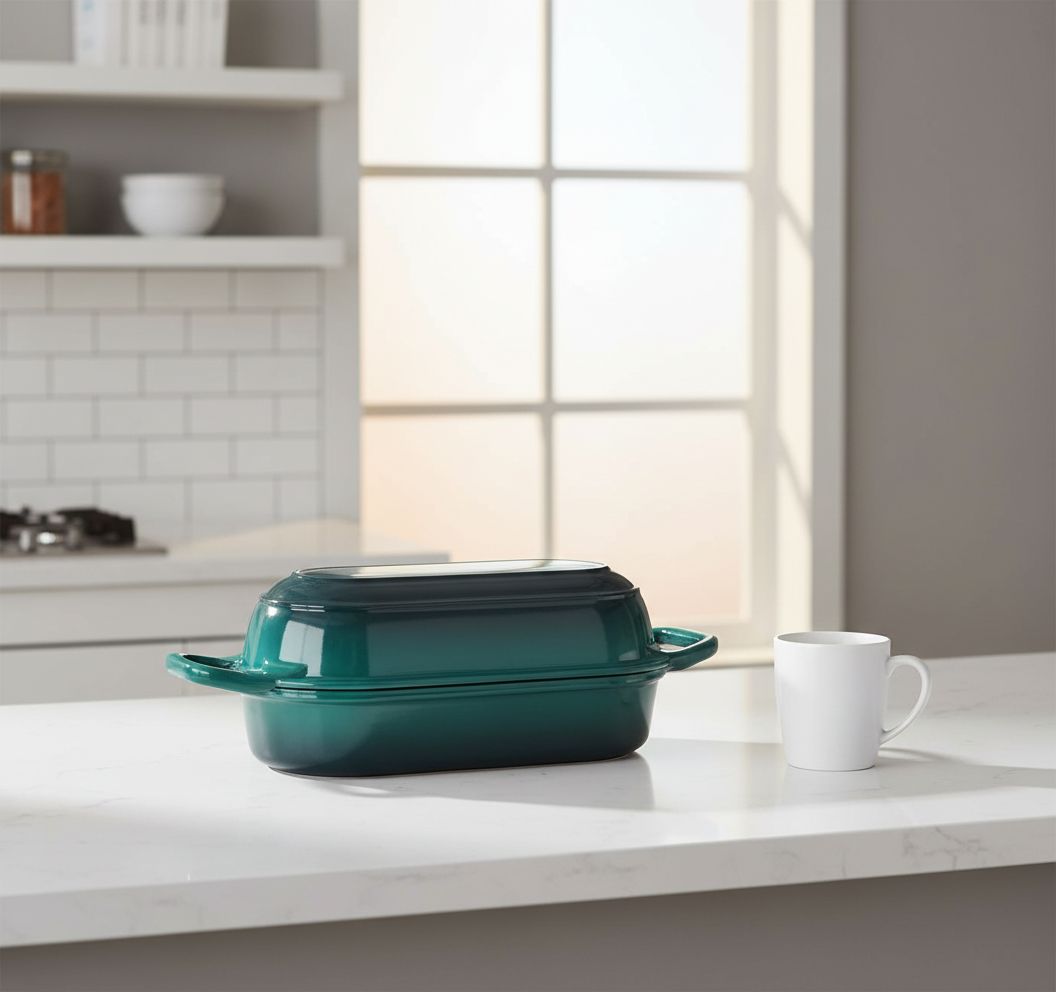
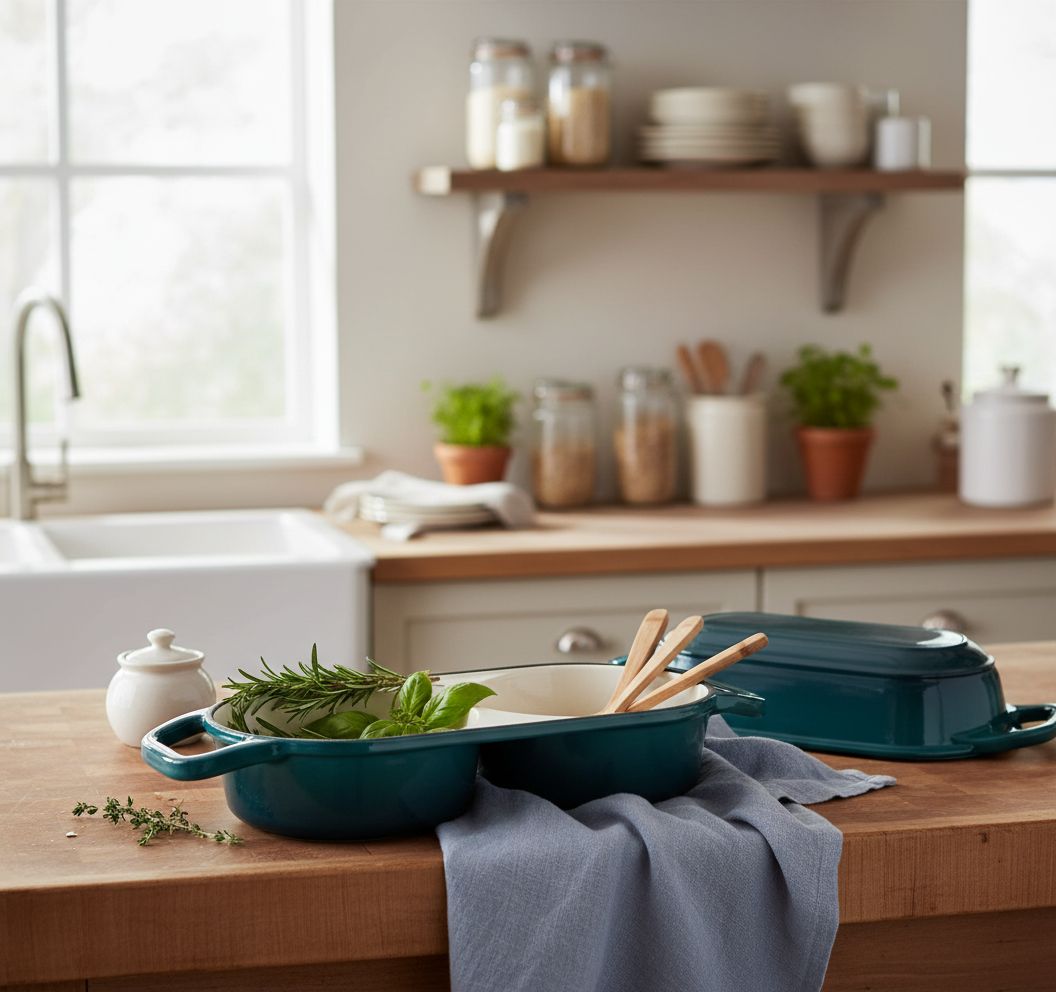
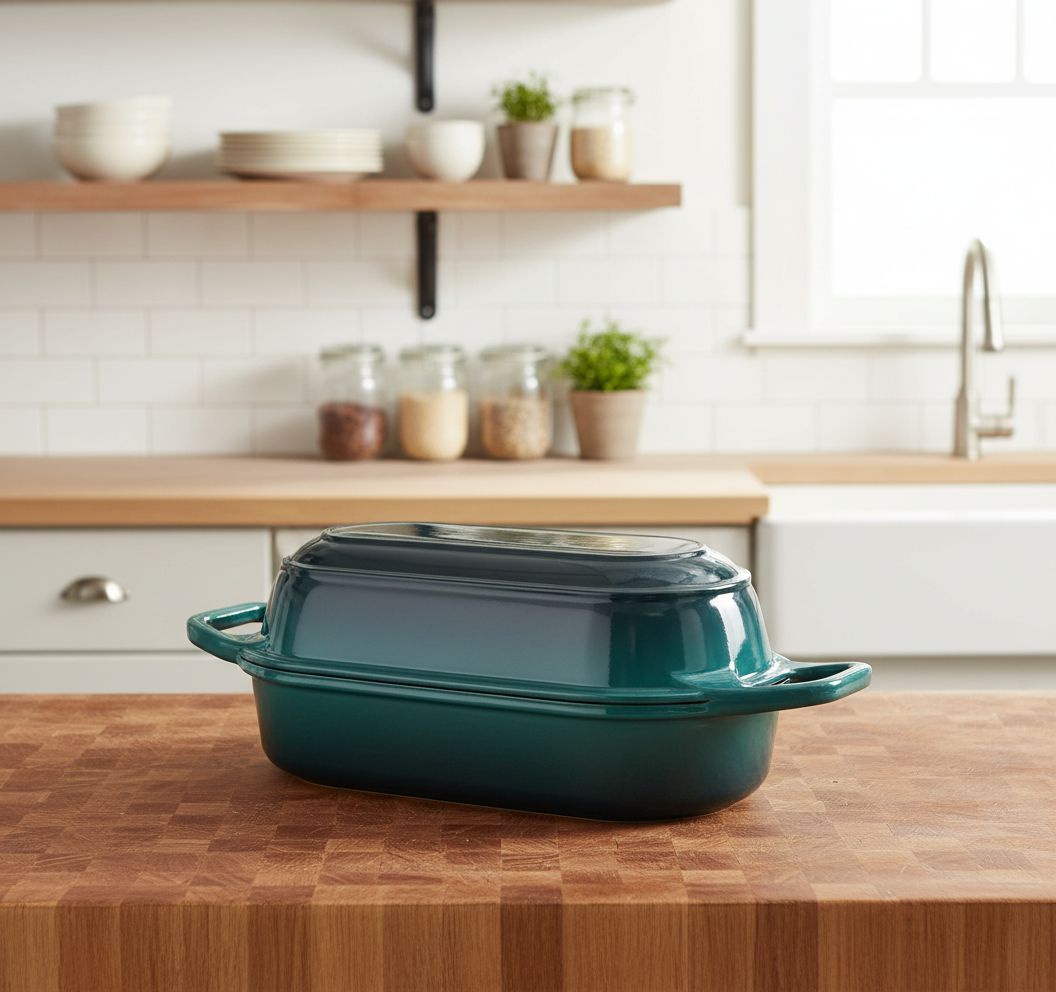
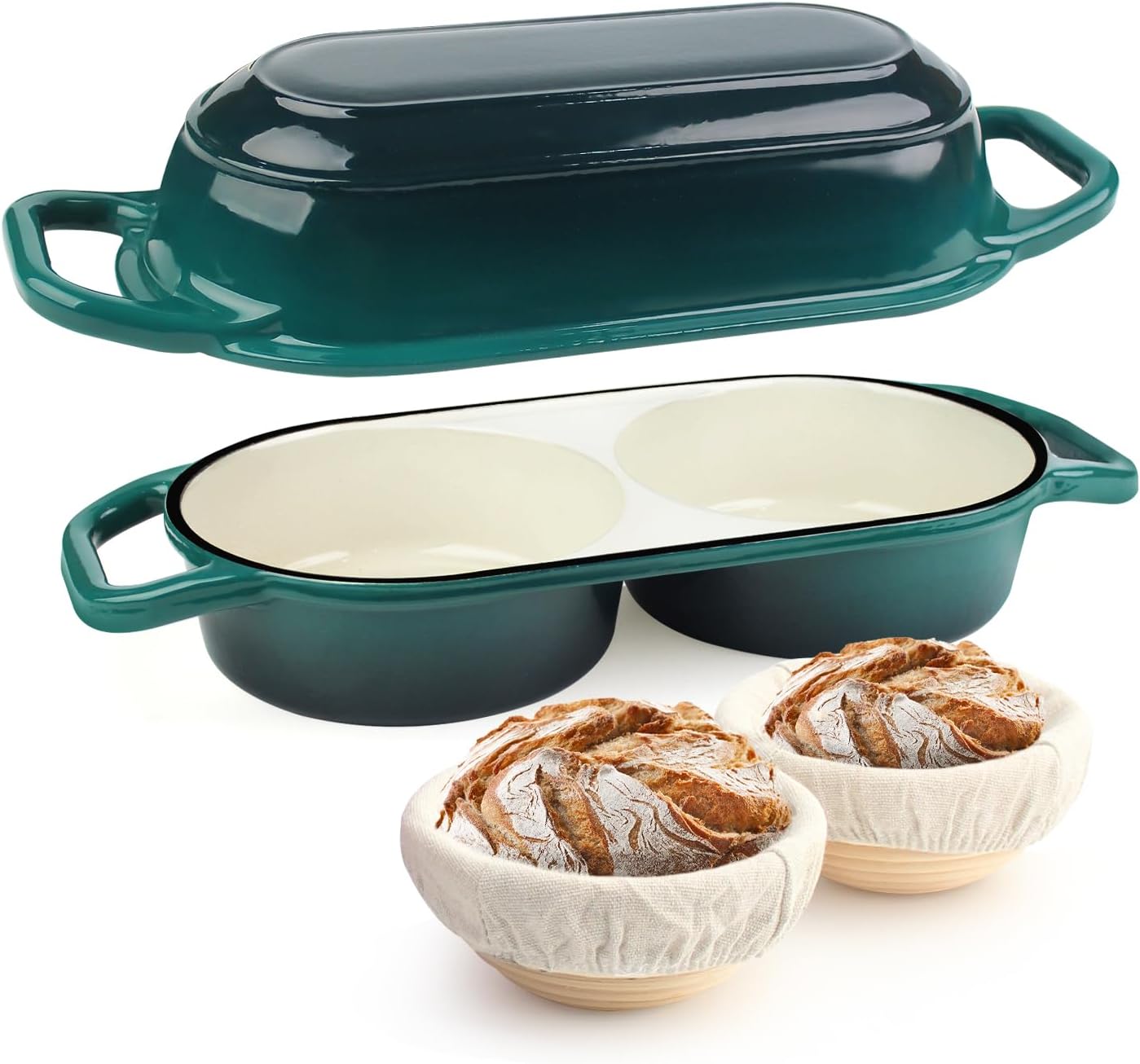
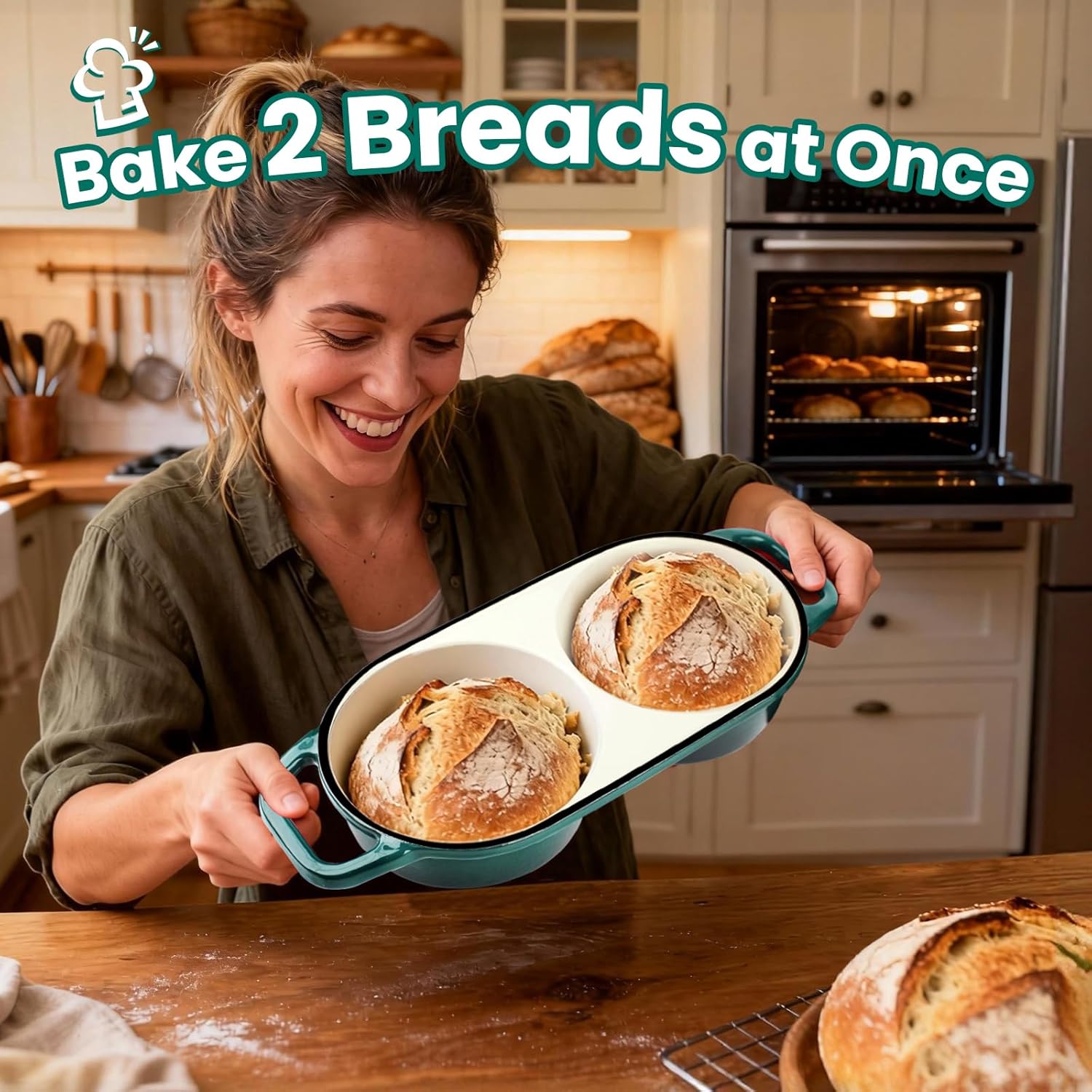
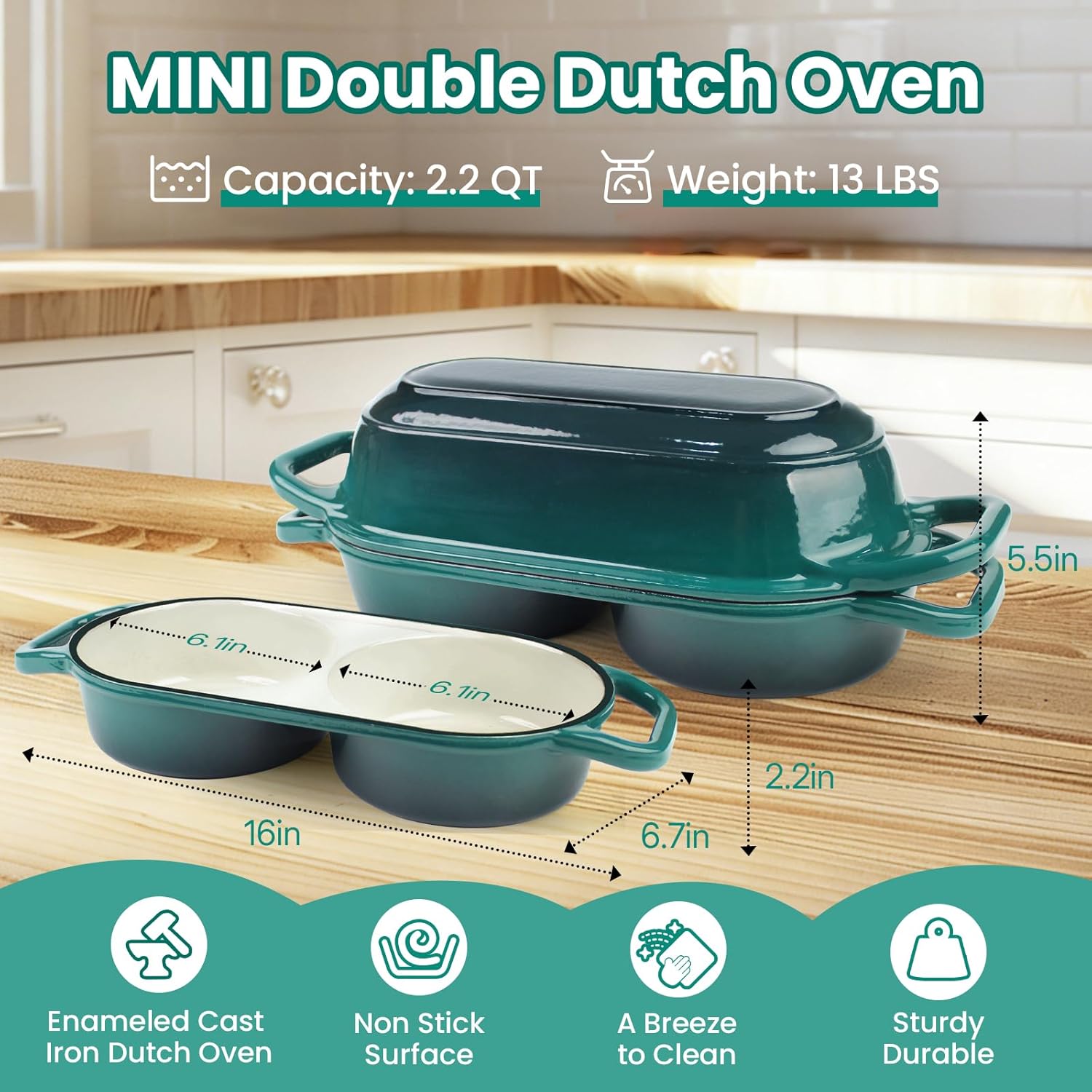
The product as photographed for Amazon — front, side, back, detail.
As an Amazon Associate I earn from qualifying purchases.