De’Longhi Eletta Explore Espresso Machine: Honest Review
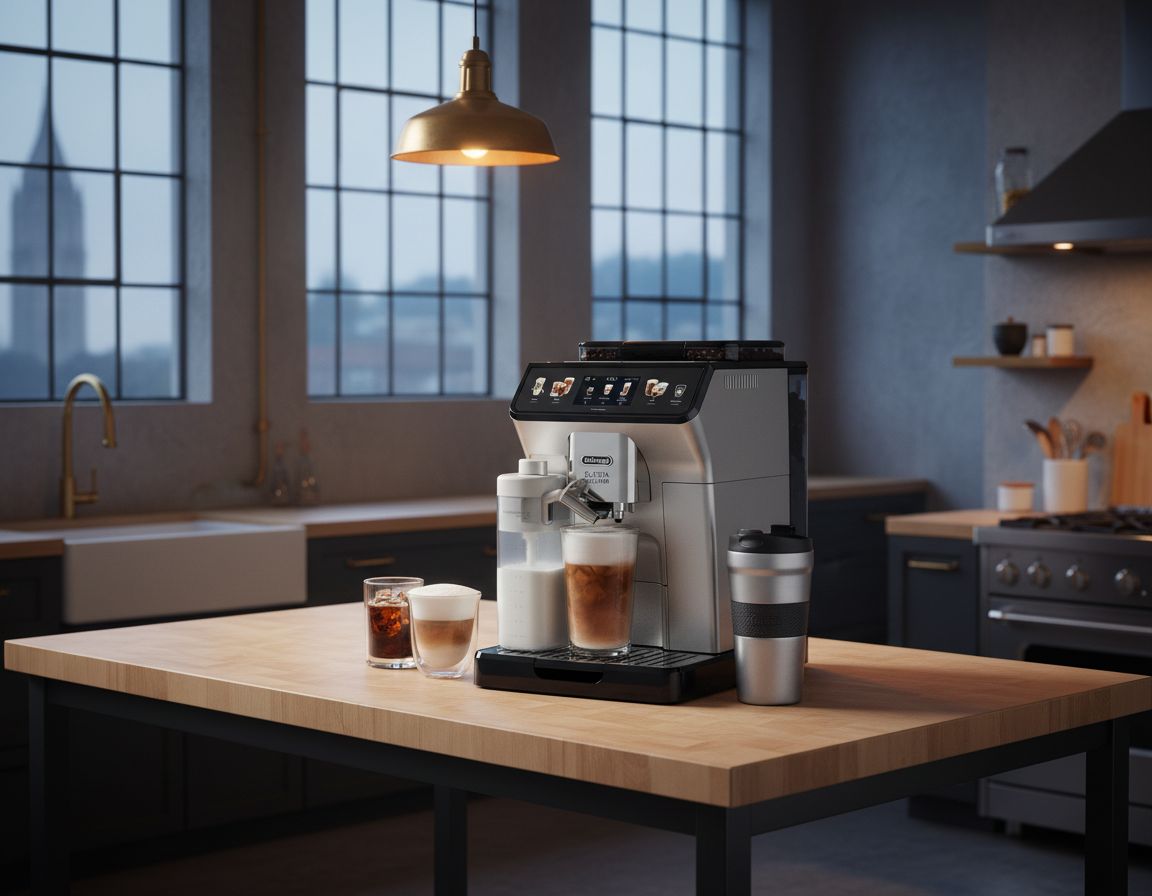
The De’Longhi Eletta Explore sat on my counter for three weeks before I stopped second-guessing it and started trusting it the way you trust a good knife.
It was a Saturday in late October, the kind of morning where the light comes in sideways and the kitchen feels like the only warm room in the building. I’d been nursing a bag of single-origin Ethiopian beans from a roaster two neighborhoods over, the kind of beans that smell like blueberries and black tea when you crack the bag open. I’d been hand-grinding them like a devoted hobbyist and then fussing over my pour-over like it was a science experiment. That morning, I dropped the beans into the **De’Longhi Eletta Explore**, tapped through the Bean Adapt Technology calibration screen, pressed a button, and stood there while the machine did what took me fifteen minutes in about ninety seconds. The espresso that came out was layered, slightly floral, and honestly better than most of what I’d been producing on my own. I didn’t know whether to feel impressed or slightly humbled.
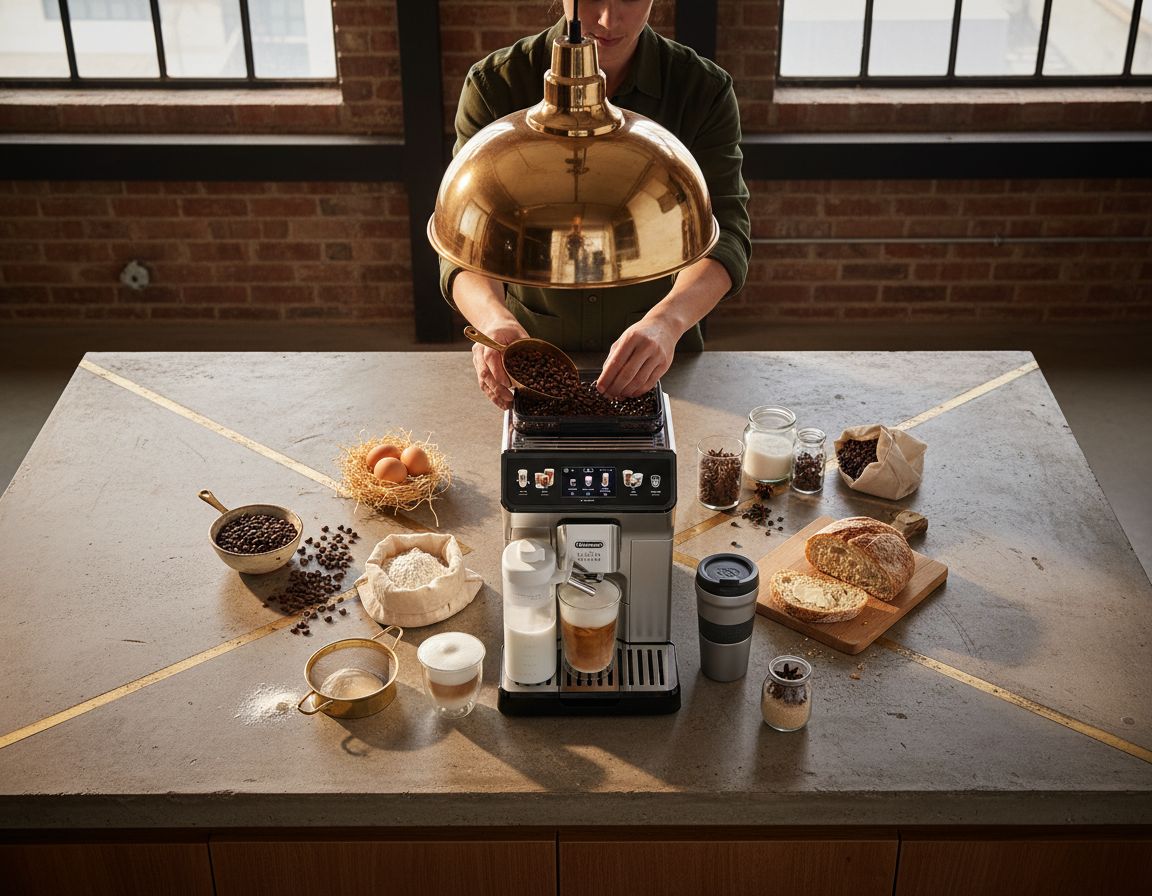
The First Time I Used It
I’d tested a handful of super-automatic espresso machines over the past two years, and most of them have a certain corporate sameness, like they were designed by committee to produce a drink that offends no one. The Eletta Explore felt different from the first session. The smartphone pairing, which I approached with the usual skepticism I reserve for any appliance that wants access to my WiFi, actually walked me through grind-size adjustments based on the specific bean I’d loaded. It’s called Bean Adapt Technology, and whether you find that charming or slightly absurd probably depends on how seriously you take your morning espresso.
That first drink, a double shot with a splash of steamed whole milk, was noticeably cleaner and more balanced than I expected from a machine with this many features. Overbuilt machines often produce muddy espresso. This one didn’t. That got my attention, and it kept it for the next three weeks.
How It Actually Performs
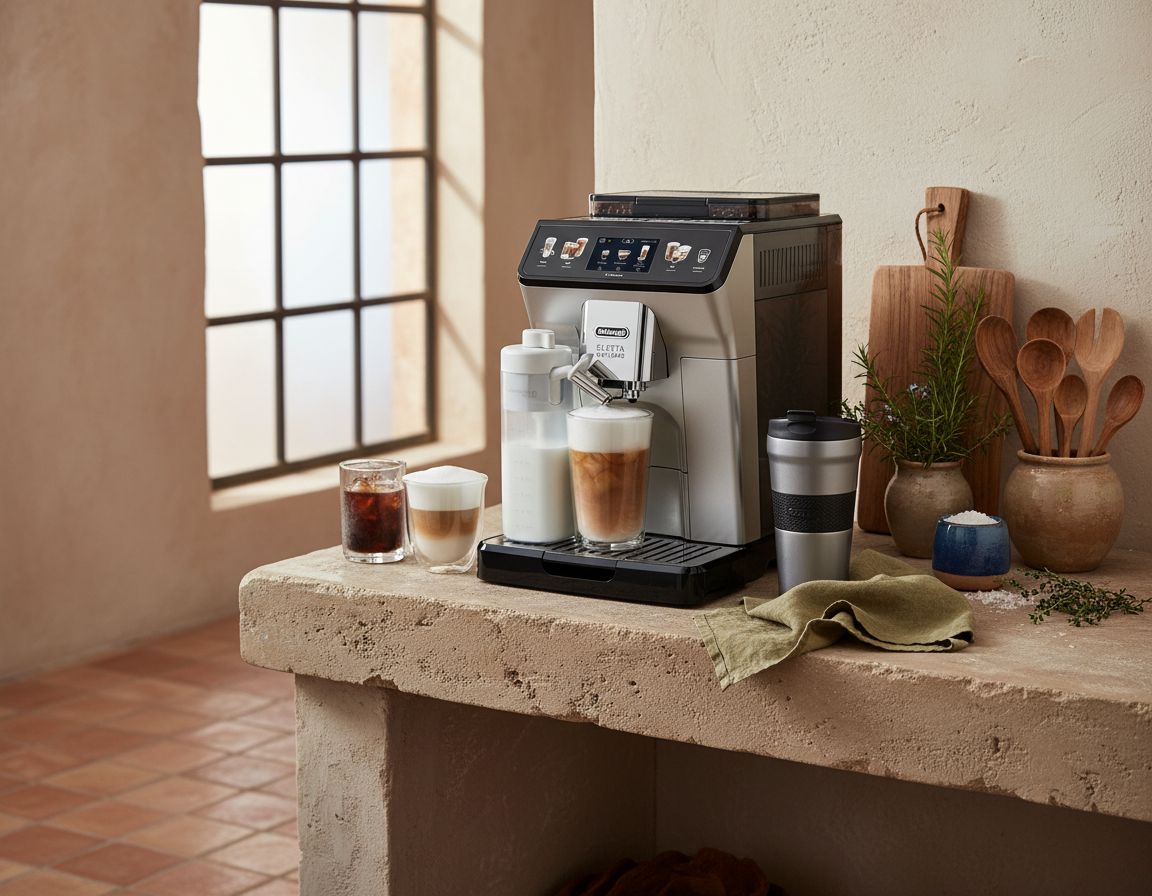
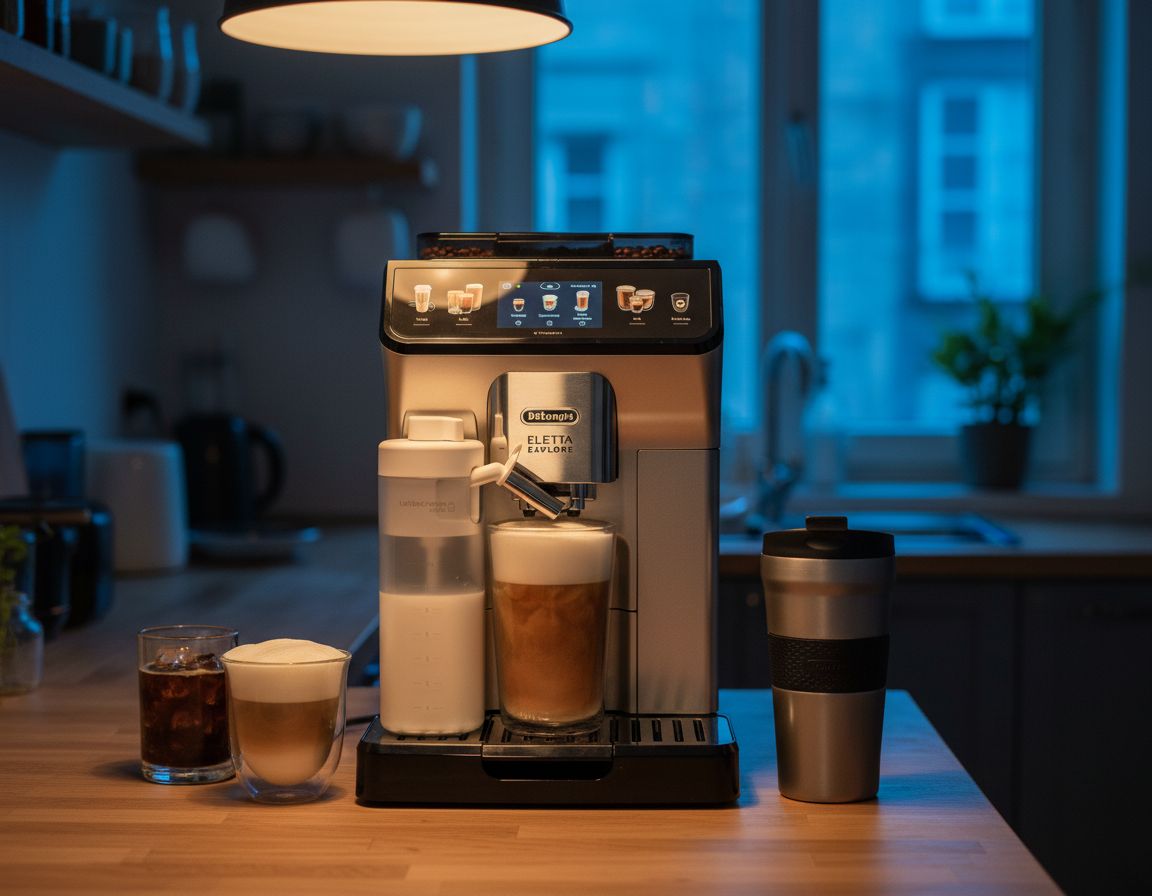
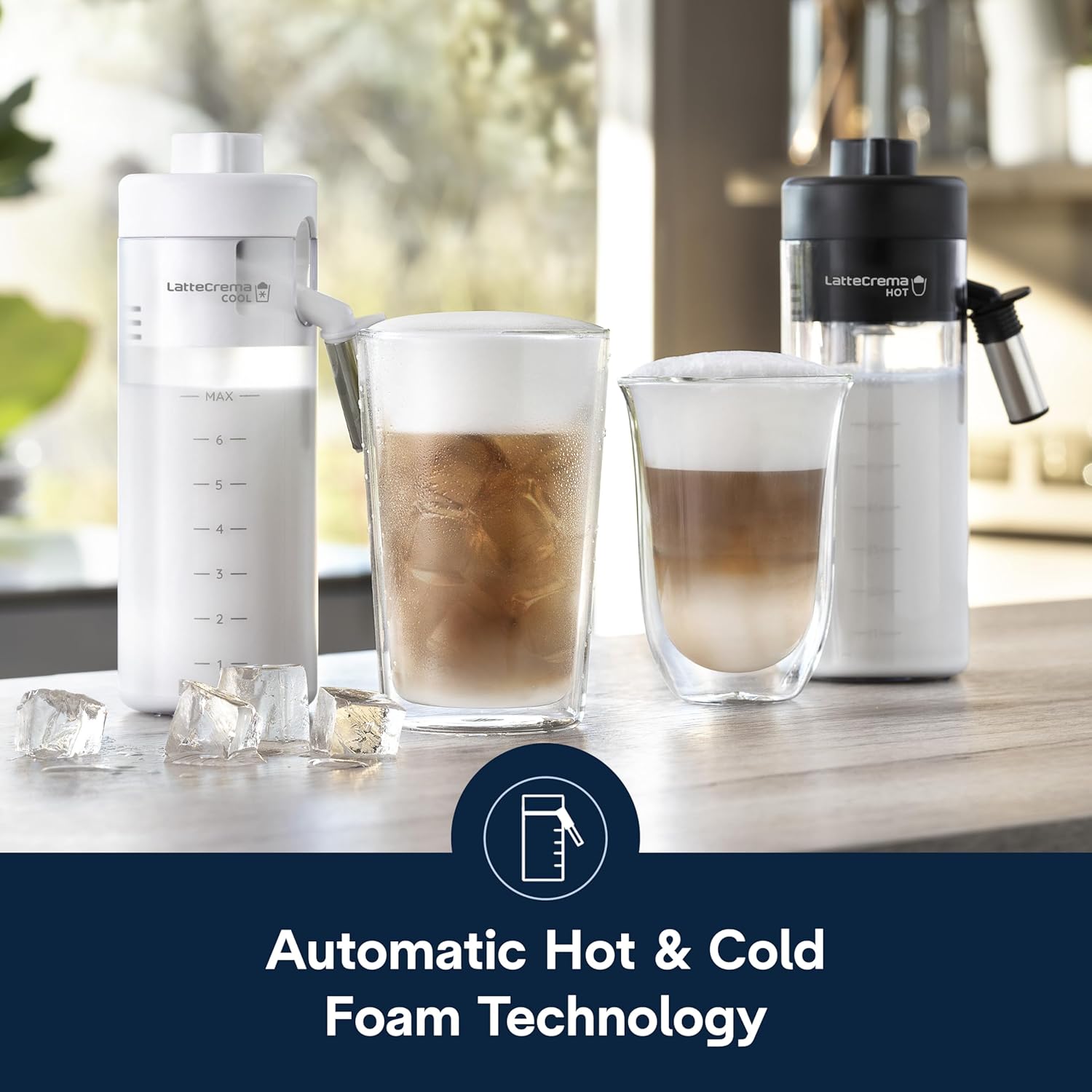
The **built-in grinder** is where the Eletta Explore distinguishes itself most clearly from machines in a similar tier. It’s quiet, comparative to older super-automatics, and the grind consistency is close enough to a dedicated burr grinder that I stopped wincing every time I used it. The dual milk frothing system handles both hot and cold milk with enough control that I was making cold foam for iced drinks in August and properly textured microfoam for flat whites in the same week. The machine’s stainless steel body runs warm during extended use but never alarmingly so, and the polished finish shows fingerprints the way all polished stainless does, which is to say constantly.
“This is the espresso machine for the person who wants barista-level results without performing the role of barista every morning.”
One honest caveat: the 50-plus recipe menu is impressive on paper and mildly overwhelming in practice. During the first week, I spent more time scrolling through drink options than actually drinking coffee, which is its own kind of problem. The learning curve isn’t steep, but it is real. According to Serious Eats’ comprehensive equipment reviews, the best super-automatic machines reward the users who take the time to dial them in, and that holds true here.
What I Actually Cooked With It
Use 1: The Cold Brew Experiment on a Tuesday Night
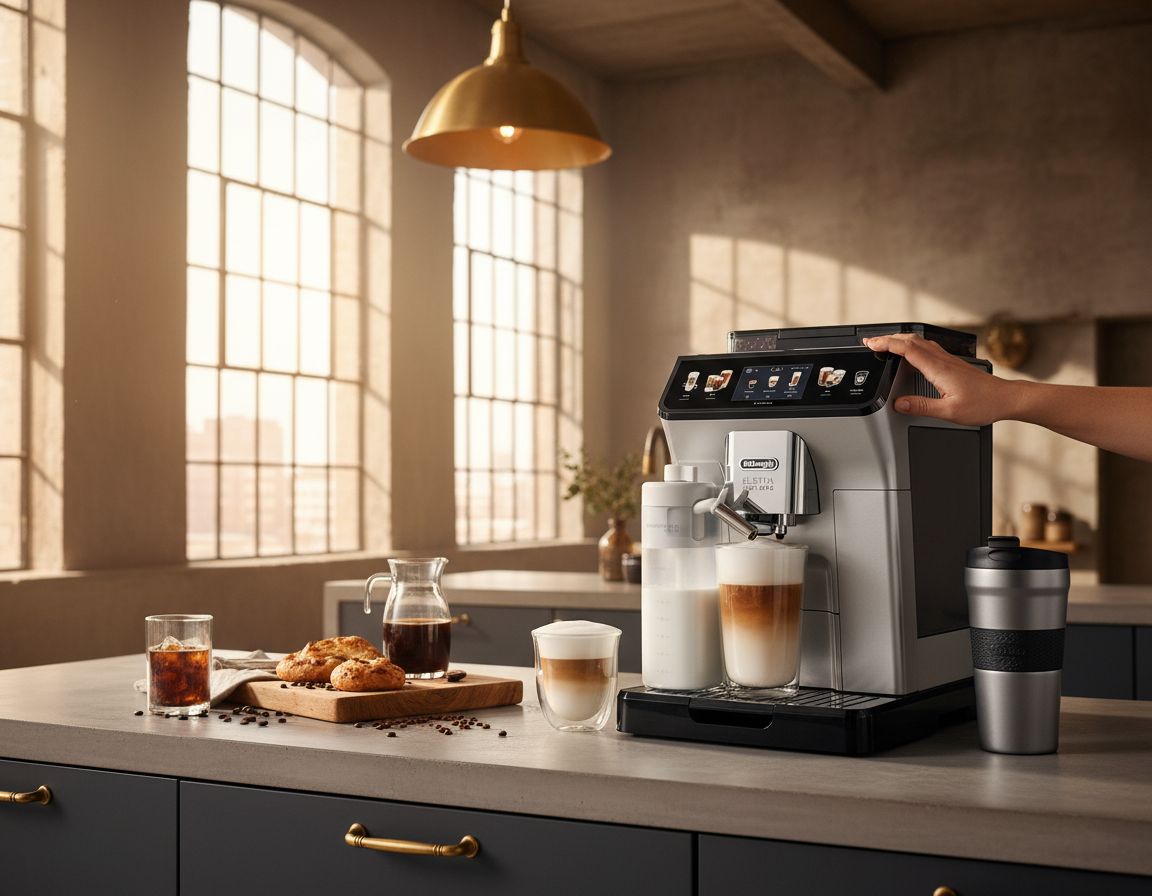
I’ll be honest: I bought this machine partly because of the cold brew function, and I approached it with suspicion because cold brew is traditionally a slow, low-intervention process that feels fundamentally at odds with a super-automatic espresso machine. But the Eletta Explore’s cold brew output, produced through a separate cold extraction cycle, was smooth and genuinely low-acid, the kind of concentrate you’d be happy to pour over ice with nothing else added. I made a batch on a Tuesday night and had it ready by Wednesday morning. **Cold brew in under twelve hours from a machine that also makes espresso** is a specific kind of domestic luxury I wasn’t expecting to care about as much as I now do.
Use 2: Flat Whites for a House Full of People
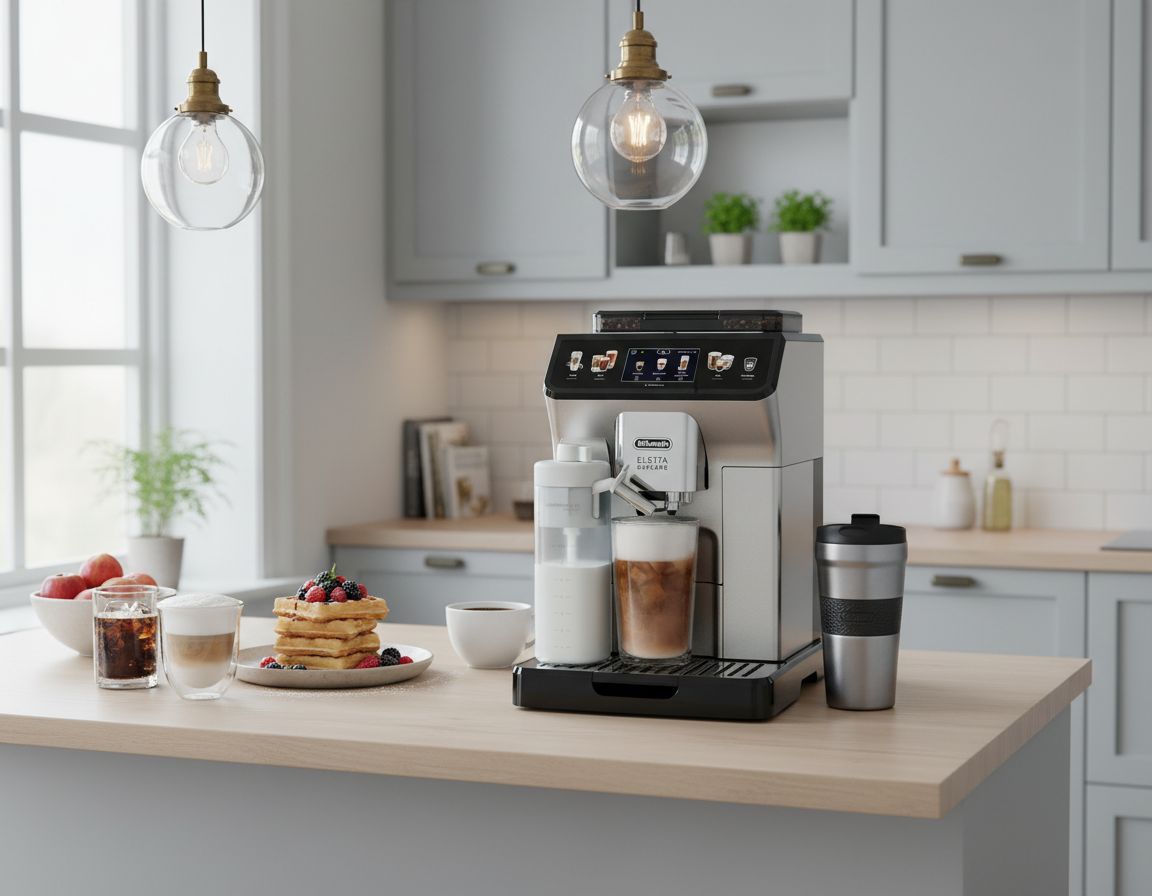
My partner’s family visited for a long weekend in November, and I had four people with four different coffee preferences asking for drinks over the course of a single morning. Normally, this is where a manual setup becomes a hostage situation. The Eletta Explore handled it without drama. Two flat whites, one Americano, one cappuccino, all within about twenty minutes, all genuinely good. The **automatic milk frothing system** calibrates temperature separately for hot and cold applications, which meant the cappuccino foam was dry and the flat white milk was silky without me adjusting anything manually between drinks.
Use 3: A Cortado at 6 a.m. Before Anyone Else Was Awake
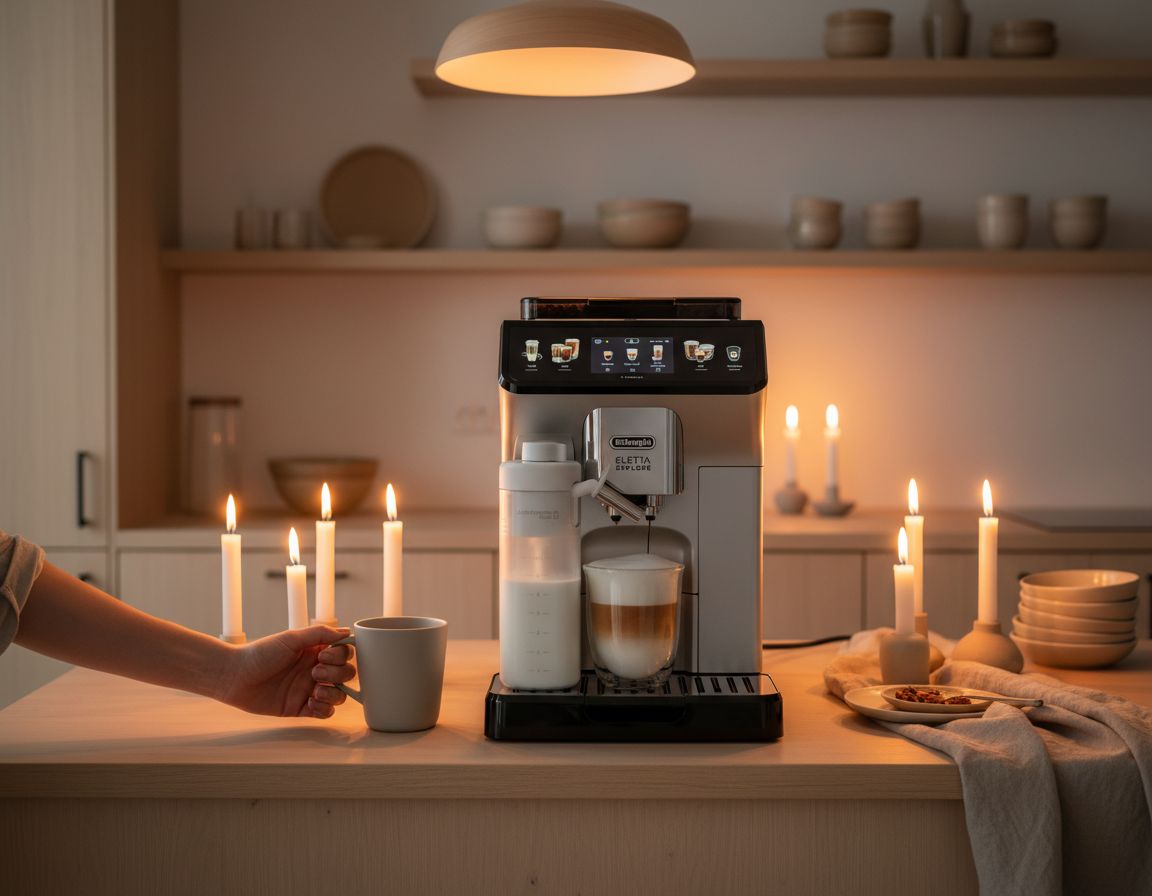
This is the use case I keep coming back to. Early morning, low light, not enough sleep. I wanted something small and strong and not requiring me to think too hard. The cortado setting, equal parts espresso and warm milk, came out calibrated and consistent every single time I made it across three weeks. There’s something clarifying about a machine that performs the same way at 6 a.m. on a Thursday as it does at 10 a.m. on a Sunday. **Consistency is the thing that converts you** from a person who’s testing a machine to a person who actually depends on it.
What Other People Are Saying
One buyer described the Eletta Explore as a machine where “dialing in the coffee beans went smoothly” thanks to the guided calibration menu, which tracks with my own experience: the onboarding is genuinely better than most machines at this level. The rating distribution skews positive overall, though a small cluster of lower scores tends to center on long-term reliability rather than day-one performance, which is worth noting for anyone considering this as a years-long investment.
The consensus portrait that emerges from nearly 500 reviews is of a machine that delivers on its core promise, brewing quality and ease of use, but occasionally frustrates owners who encounter issues down the line. It’s not a universal love story, but the majority of people who use it daily seem to actually enjoy using it, which is more than you can say for most complicated appliances. For a broader look at how this machine compares to other options, America’s Test Kitchen equipment reviews offer useful context on what separates genuinely well-engineered machines from the ones that just look impressive in photos.
Who Should Skip It
If your kitchen counter is already a negotiation between a toaster, a stand mixer, and a dish drying rack, this machine is going to feel like an imposition. It’s a substantial countertop footprint and it needs to live near an outlet with enough clearance above it to open the bean hopper without hitting a cabinet. If you’re a true manual espresso devotee who finds meaning in the ritual of tamping and pulling shots by hand, the automation here will feel like a shortcut rather than a solution. And if you primarily drink drip coffee or tea and only occasionally want espresso, there are far simpler ways to achieve that, which you can explore through our drip coffee machine picks or our pour-over brewing guides.
What It Replaces in My Kitchen
I had a semi-automatic espresso machine that I loved in theory and found genuinely annoying in practice. It required a separate grinder, a precise tamping hand, and about fifteen minutes of focused attention to produce a good shot, which is fine on a slow Sunday but unsustainable on a Wednesday when you have a 7:30 meeting. The Eletta Explore replaced both the semi-automatic and the separate burr grinder, consolidating them into one machine without, and this is the part that surprised me most, meaningfully compromising the quality of the output. **It also replaced my cold brew pitcher**, which had been living in my refrigerator and taking up space I could use for other things. That’s three pieces of equipment into one, and the counter feels less cluttered for it.
If you’re weighing this against other options in the super-automatic espresso machine category, our espresso machine reviews and picks lay out how different machines perform across a range of brewing styles, and our editor’s full kitchen tool recommendations can help you figure out where this fits into a broader setup. It also shows up in our kitchen gift ideas roundup for good reason: it’s the kind of object that signals real intention about how someone wants to cook and drink.
FAQ
How consistent is the espresso extraction across different bean types?
Very consistent, once you’ve run the Bean Adapt Technology calibration for your specific beans. The machine adjusts grind and extraction parameters based on your input, and results stabilize after two or three cycles with a new bean.
Is the machine difficult to clean?
The daily maintenance is minimal: a rinse cycle runs automatically, and the drip tray and grounds container pull out easily for emptying. A more thorough descaling cycle is recommended every few months depending on your water hardness, and the display prompts you when it’s time.
Does the cold brew function require any special equipment or separate accessories?
No. The cold brew extraction uses the machine’s internal system and standard water reservoir. You’ll need to use the designated cold brew mode from the menu, but no additional attachments or purchases are required.
Does the build quality hold up to daily use over time?
The stainless steel body is solid and the internal components feel well-engineered for sustained use. The pattern in user reviews suggests the machine performs reliably for most people over months of daily operation, though as with any appliance at this level of complexity, long-term durability is the variable worth watching.
What does the warranty cover and are replacement parts available?
De’Longhi typically backs its machines with a two-year manufacturer’s warranty covering defects in materials and workmanship. Replacement parts including milk carafes, drip trays, and water filters are generally available directly through De’Longhi’s website and authorized retailers.
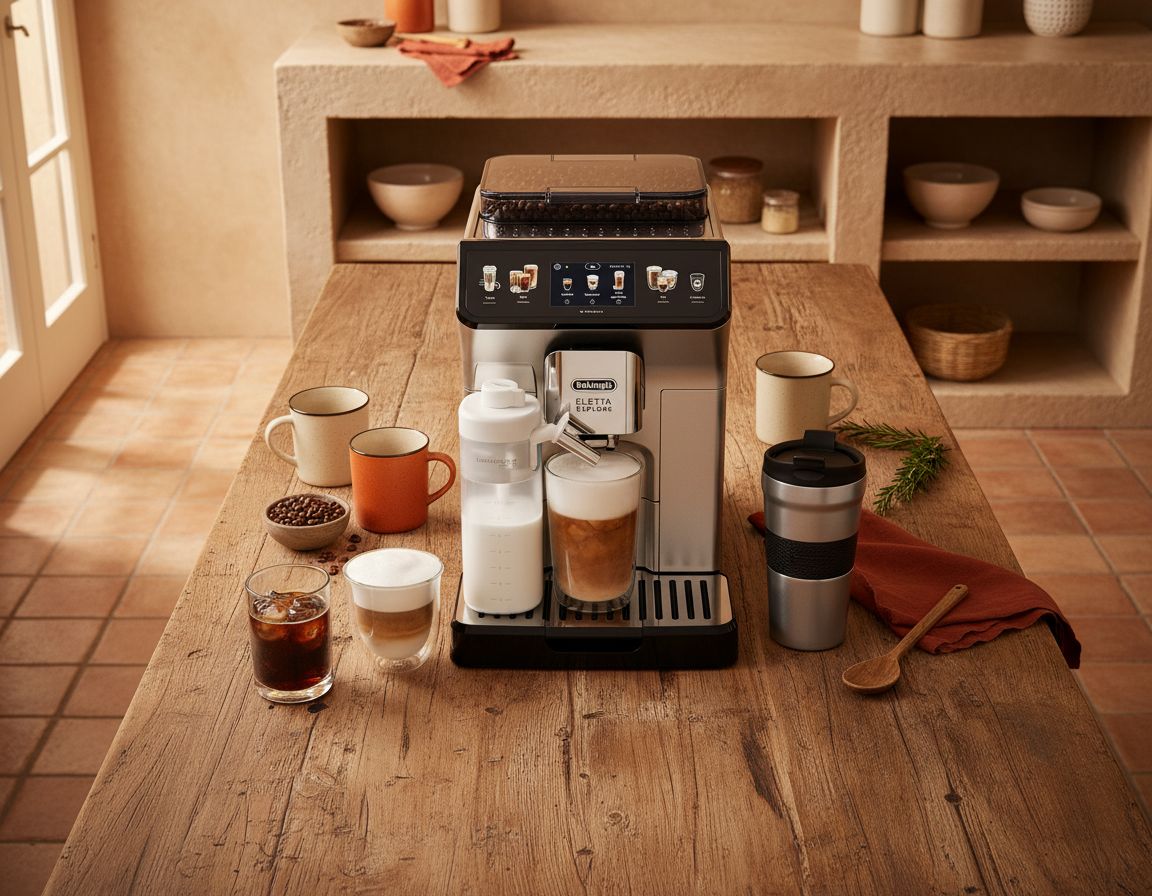
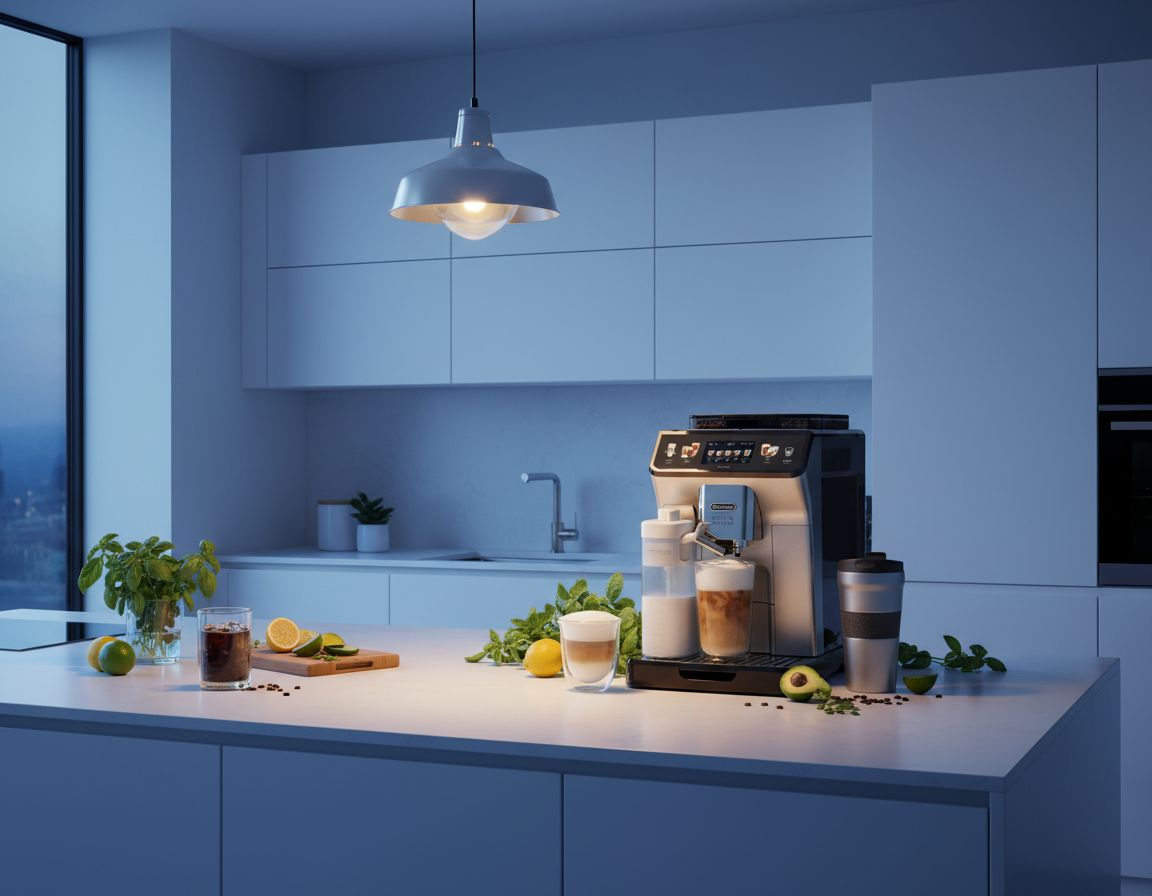
The Verdict
I’m going to reach for the De’Longhi Eletta Explore on a Monday morning when I’m running late, and I’m also going to use it on a Saturday when I have nowhere to be and I’m making cold brew for the week. That range, from frantic to leisurely, from hot to cold, from one drink to four, is exactly what a machine at this investment level should cover. The **Bean Adapt Technology actually works**, the dual frothing system is more versatile than I expected, and the cold brew capability is a genuine differentiator rather than a marketing note. The learning curve is real and the footprint is significant, but neither is a dealbreaker for the person who takes their home coffee setup seriously. For context on how it sits among the broader landscape of machines, the Wirecutter kitchen and dining picks and the Bon Appétit test kitchen tool favorites are both worth a look before committing. But after three weeks of daily use across the full range of what this machine can do, my honest assessment is simple: if you want a single espresso machine that handles everything from a 6 a.m. cortado to a batch of weekend cold brew without asking much of you, this is the one to buy.
Every Angle
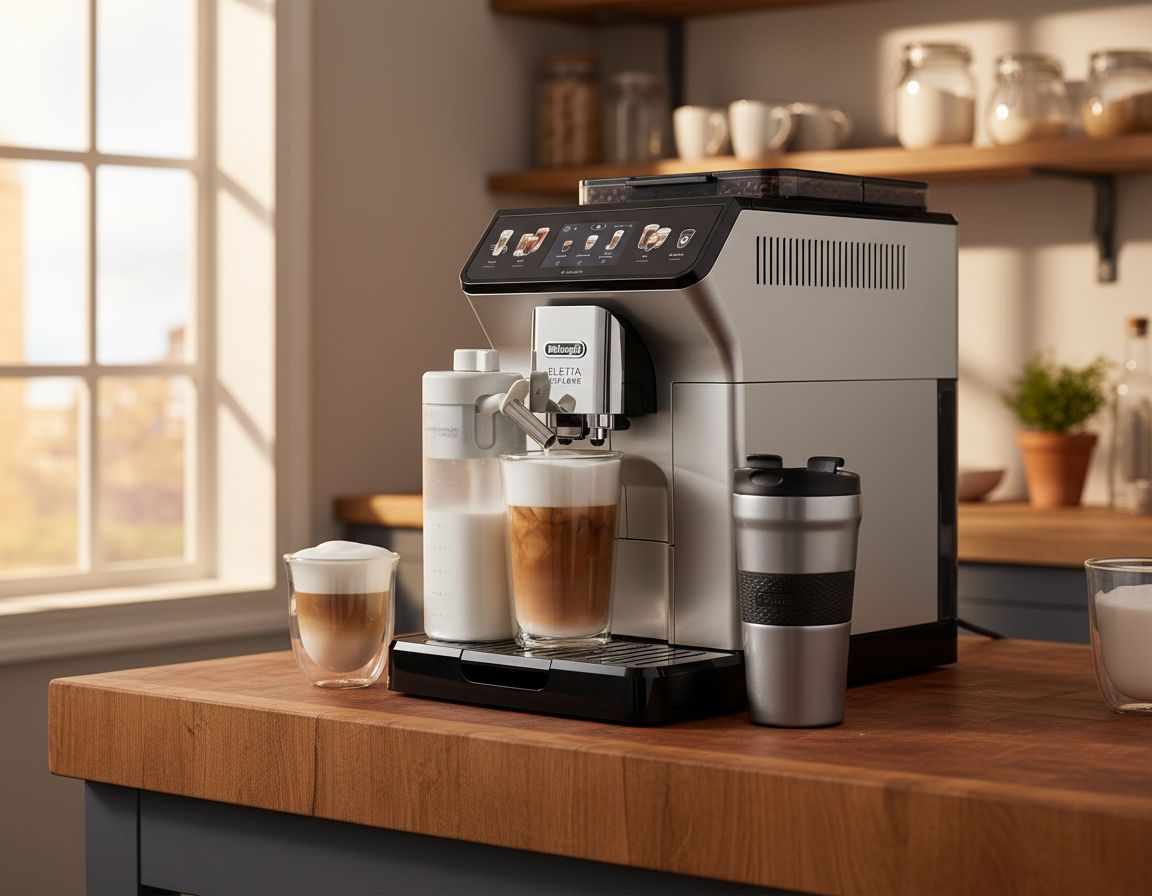
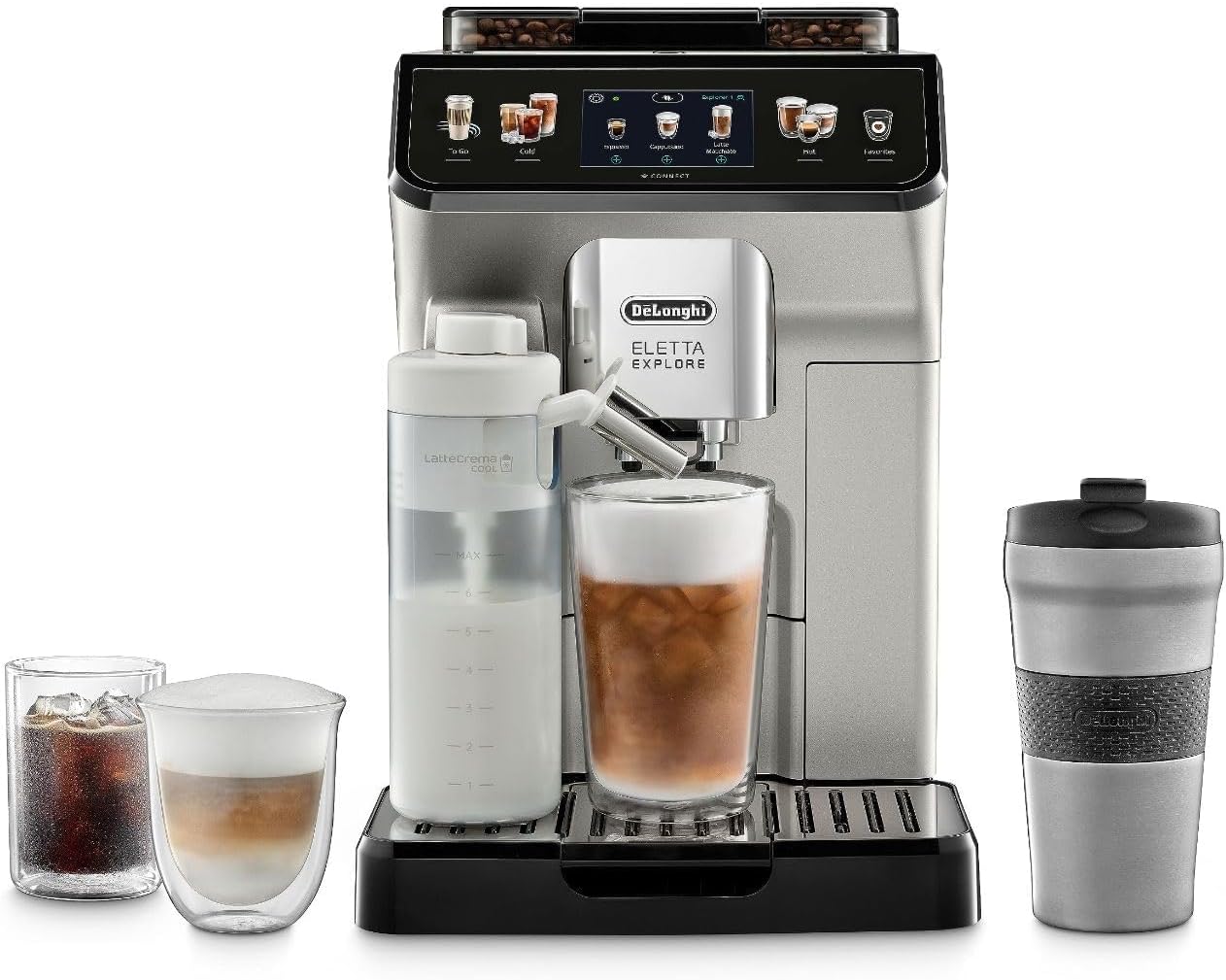
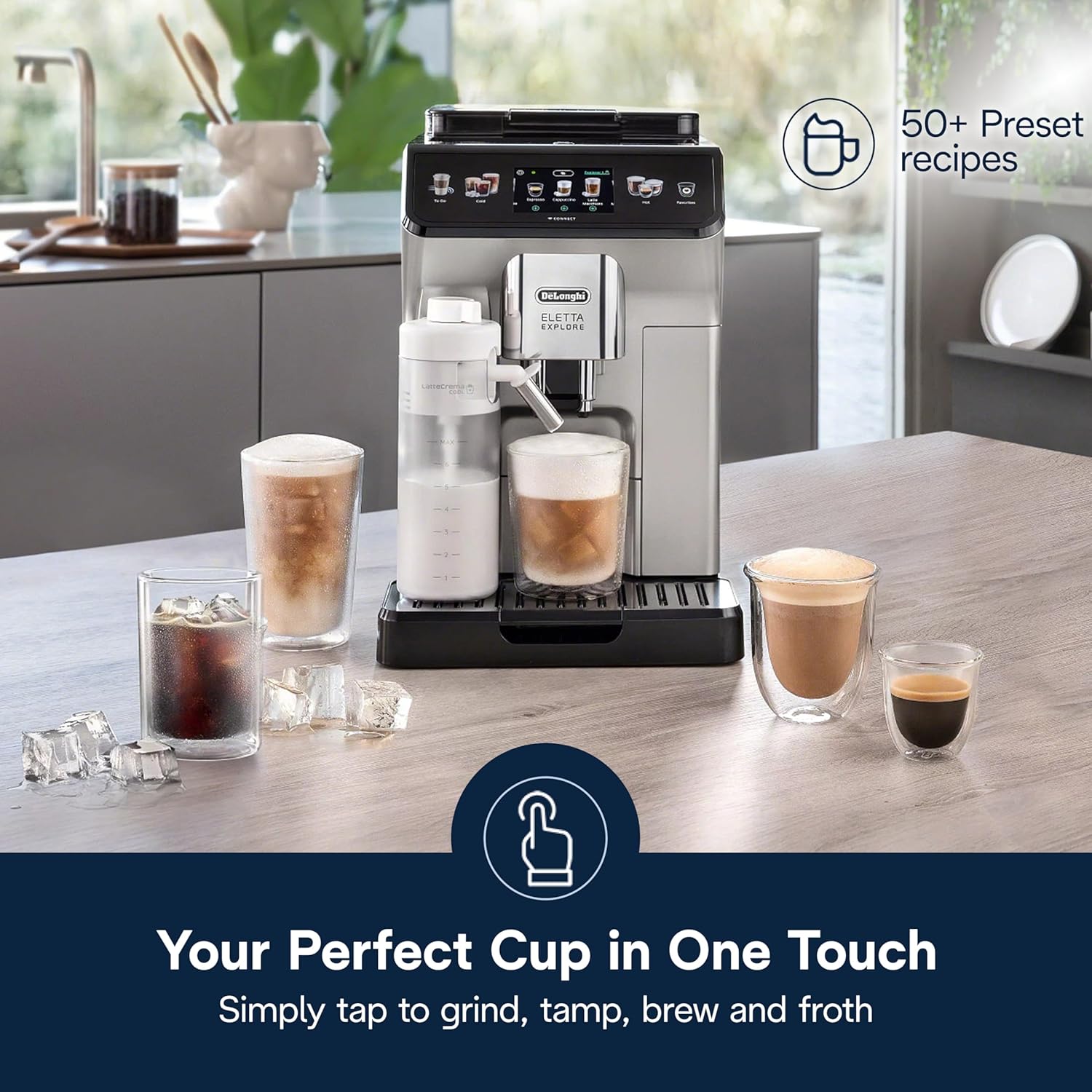
The product as photographed for Amazon — front, side, back, detail.

As an Amazon Associate I earn from qualifying purchases.